


































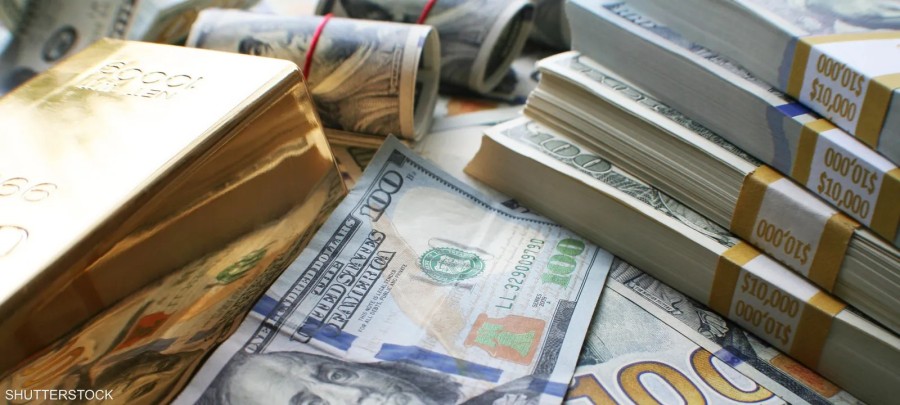


The dollar index fell today to 101.365 (December contracts, -0.238 points or -0.23%) at 9:46 AM Saudi time, its lowest level since early October and down about 1.2% to 1.5% from last week's peak. Interestingly, the dollar is declining despite a surge in oil prices (Brent crude to $111) and a drop in Asian stocks, two factors that usually support it as a safe haven. So what is driving it down now? This is primarily due to falling Treasury yields, reduced bets on an imminent Federal Reserve rate hike, and the strength of other currencies, as the market awaits central bank meetings next week.
Dollar index today
December contracts: 101.365 (-0.23%), from a previous close of 101.603.
The immediate index was around 101.40 (-0.20%) at 8:27, and was at 101.58 around midnight (lowest level since October 1 according to Investing.com).
October peak: around 102.6-102.9 (October 12-14), the highest level in 18 months.
Last week: The contract broke 101.39 (the week's low) by 0.025 points, testing its recent lows.
Currencies: Sterling near 1.34 (after a one-month high of 1.3409), the euro firmly above 1.12, the yen around 158 (-0.3%), and the Australian, New Zealand and Canadian dollars near their highest levels in weeks.
Why is the dollar declining now?
Treasury yields fell: The 10-year yield dropped to 5.088% (-6.1 basis points) and the 2-year yield to 4.783% (-4.1). The dollar is strongly linked to yields; it reached an 18-month high on October 12-14, supported by high yields, and then declined as they receded.
Federal Reserve rate hike bets shrink: Markets are pricing in less than a one-in-six chance of a rate hike at the October 27-28 meeting, and Fed Chair Kevin Warsh's refusal to commit ahead of time to an October decision has reduced appetite for dollar positions.
Strength of other currencies: Sterling rose after higher-than-expected UK inflation, the Australian dollar was supported by the Reserve Bank of Australia's hawkish tone (and puts the November rate hike debate on the table), while investors anticipate a near-term rate hike in Japan.
Dollar positions reduced: Reuters believes that gains in the pound, Canadian, Australian and New Zealand dollars mean that bets on the dollar have been reduced somewhat.
Central banks wait: Markets calm down ahead of a busy week: Japan, the US and Europe are expected to maintain interest rates with a hawkish tone, so traders go into a wait-and-see mode.
Oil: Wednesday's decline in crude weakened the dollar's appeal, and today's jump did not reverse the trend.
Why is it that rising oil prices and falling stock prices don't benefit the dollar?
Typical: The dollar rises as a safe haven when stocks fall and oil prices jump.
Today: This is not happening, because returns are declining and interest rates are taking precedence, and because equity risks are linked to AI funding, not to the dollar itself.
Our reading: The market is treating the dollar more as a yield-linked asset than a safe haven at this stage, so any rebound in yields could quickly restore support for it.