


































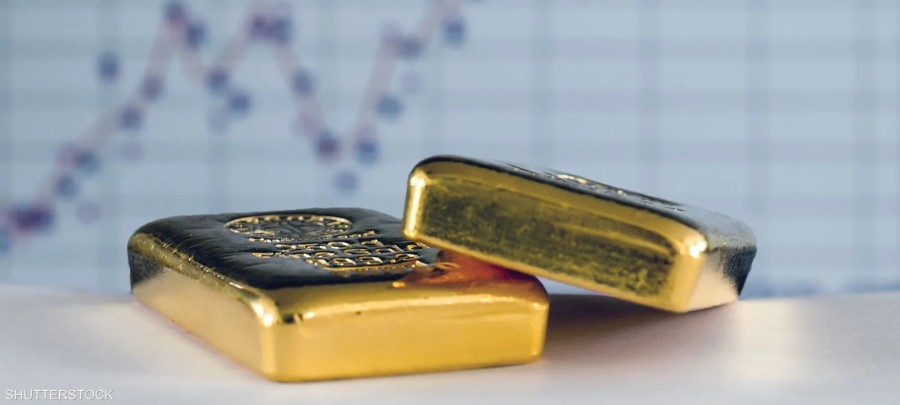


Gold prices continued their decline, amid conflicting signals regarding efforts to end the Iran war, which increased uncertainty surrounding the outlook for inflation and the Federal Reserve's interest rate path.
The price of gold approached $4,120 an ounce, after falling by about 1% in the first two trading sessions this week. Oil prices rose after retreating on Tuesday from their highest levels in five months, following a diplomatic statement that reports of an imminent agreement to end the conflict were inaccurate, but that talks were ongoing.
The price of gold has fallen by about 20% since the outbreak of the conflict between the United States and Iran in late February, which drove up energy prices and fueled concerns about inflation, prompting central banks to tighten monetary policy. High borrowing costs are putting downward pressure on gold, which does not offer interest.
Treasury bonds rise amid signs of a weakening US economy
Long-term U.S. Treasury bond prices rose on Tuesday, supported by falling oil prices and signs of a slowing U.S. economy. The latest data showed housing starts declined in September, while sales of existing homes fell to a record low.
Traders trying to predict the Federal Reserve's next move in its battle to curb inflation have few other new indicators ahead of the central bank's meeting next week.
Federal Reserve Chairman Kevin Warsh did not dispel expectations that the bank would keep interest rates unchanged, during a speech he delivered on Friday before the start of a blackout period.
The probability of an interest rate hike of a quarter of a percentage point is no more than 17%. However, inflation remains well above the central bank's 2% target, and traders are pricing in an approximately 85% probability of another interest rate increase later in the year.
Spot gold fell 0.1% to $4,120.16 an ounce at 9:19 a.m. London time, while silver dropped 1.2% to $57.27. Platinum and palladium also declined, while the Bloomberg Dollar Index was flat.