









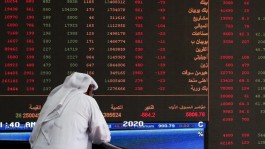


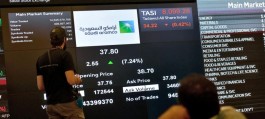



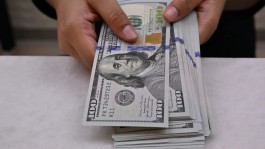















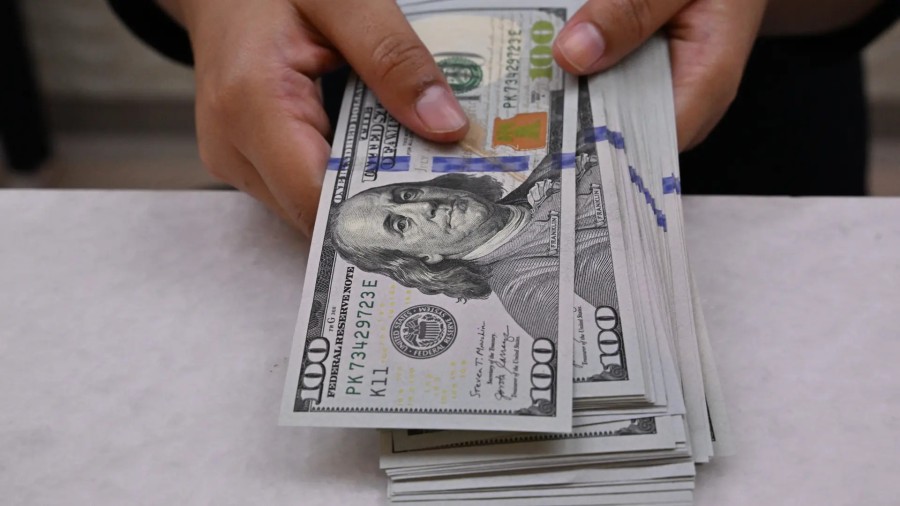


The dollar rose to its strongest level in two months on Wednesday, supported by expectations of near-term interest rate hikes, although a decline in oil prices could alter the trajectory of inflation expectations and monetary policy globally.
The euro fell to its lowest level since late July, declining 0.25% to $1.142 in recent trading. Sterling also dropped 0.3% to $1.3305. The dollar index, which measures the greenback against six major currencies, rose 0.24% to 100.79.
The recent wave of interest rate hikes and hawkish statements from major central banks have become the focus of currency markets, at a time when the Israeli-American war with Iran is pushing up oil prices and increasing concerns about inflation.
Investors now expect further interest rate hikes, with several Federal Reserve officials this week indicating the possibility of tightening monetary policy again if inflation does not decline quickly enough.
Oil and inflation are watching the course of the war.
Oil markets remain in the spotlight. Brent crude futures rose slightly back above $99 a barrel, ending a five-day losing streak, fueled by hopes that diplomacy on the sidelines of the UN General Assembly meetings could pave the way for a resolution to the seven-month-long Middle East war.
Brent crude futures have risen 37% since the conflict erupted at the end of February, while actual prices are at least 75% higher in Europe and at least 40% higher in the United States.
Despite crude oil prices falling from their recent highs, refined product prices remain extremely high. The cost of diesel, which powers most transportation, has jumped to record highs in the United States and to multi-year highs in Europe.
US President Donald Trump said on Tuesday that he supports the idea of banning diesel exports as a way to lower domestic prices, a move that analysts say could backfire and harm global supply flows more than it helps.
In his speech to the United Nations on Tuesday, Trump warned that he might “obliterate Iran” if a deal to end the war is not reached, but at the same time indicated that a deal could be reached soon, as diplomatic efforts continue in New York.
Trump and Xi meeting awaited amid pressure for intervention
Investors are also awaiting a high-stakes meeting between Trump and Chinese President Xi Jinping, as the two leaders seek to bring some stability to relations strained by a wide range of issues.
The Japanese yen was trading at 157.8 yen to the dollar, as traders remained wary of the risk of government intervention in the currency market, after the Bank of Japan's interest rate hike to a 31-year high last week fell short of reassuring investors that further increases might be on the way.
Japanese markets are closed for a holiday, and analysts believe the current period of low liquidity presents an ideal time for authorities to intervene if necessary.
Analysts said that the 160 yen-dollar level still represents a source of risk, but officials have reportedly refrained from hinting at intervention and from targeting a specific level, so capping currency movements may come at a lower level or through other forms of intervention.