










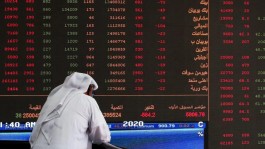




















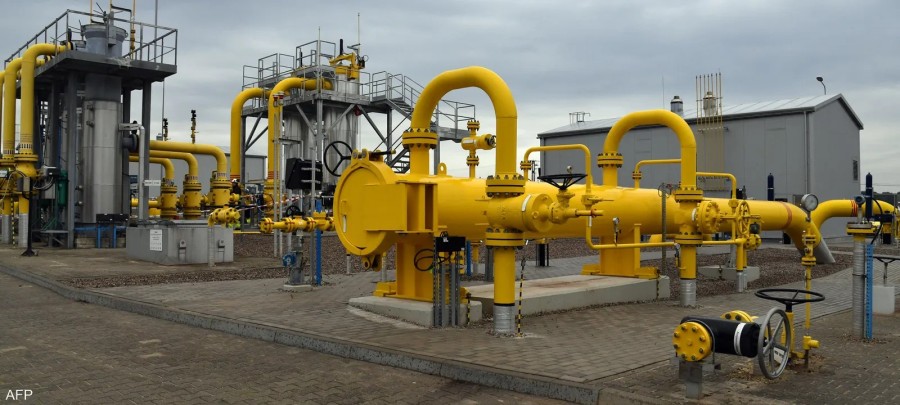


Natural gas prices in Europe fell sharply after the United States and Iran reached an agreement for a two-week ceasefire, which could lead to a temporary reopening of the vital Strait of Hormuz and ease pressure on global energy markets.
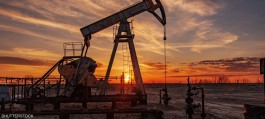
Benchmark oil futures plunged as much as 20% on Wednesday, marking their biggest daily drop in more than two years, after US President Donald Trump agreed to suspend airstrikes in exchange for Iran allowing safe passage through the Strait of Hormuz. Tehran confirmed that this would be done in coordination with its armed forces, although full details of the agreement have not been disclosed.
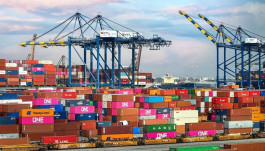
The near-total closure of this sea lane, through which about one-fifth of the world’s oil and liquefied natural gas supplies pass, caused a severe supply shock and drove fuel prices sharply higher.
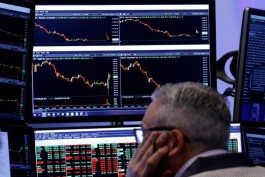
The rapid moves by hedge funds and speculators amplified the volatility of gas prices in Europe, as record long positions accumulated before the ceasefire agreement was announced, contributing to increased volatility.
At the same time, actual market participants remain more cautious, preferring to wait for clearer signals about the deal's resilience and sustainability before making major decisions.