



































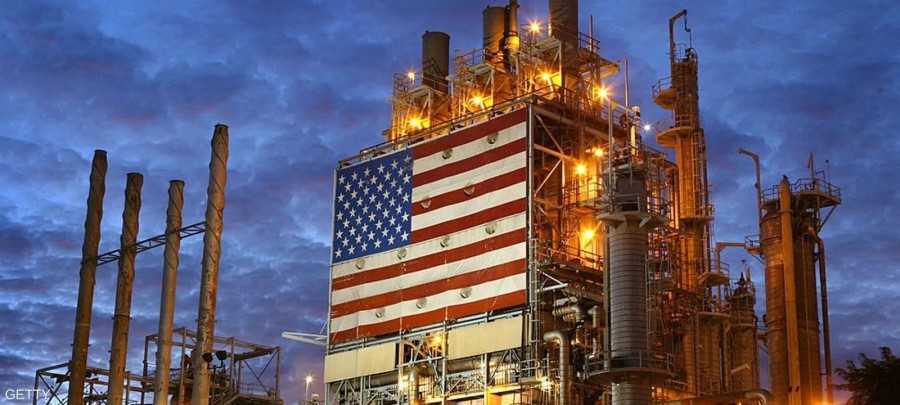


Crude oil stocks in the U.S. Strategic Petroleum Reserve fell by about 5.1 million barrels last week, to 311.4 million barrels, the lowest level since March 1983, according to data released by the U.S. Department of Energy.
This decrease comes as the United States implements a program to release 172 million barrels from the strategic reserve, at a time when the repercussions of the war between the United States and Israel on one side and Iran on the other continue.
Since the outbreak of war on February 28, the US Strategic Petroleum Reserve has decreased by 104.04 million barrels as of July 17, reflecting the continued drawdown from the reserve to address the repercussions of the crisis.
The decline was not limited to the strategic reserve, as total US oil inventories, which include commercial stocks and the strategic reserve, fell by about 129 million barrels to 726.2 million barrels as of July 10, the lowest level since 1984.
Updated official data up to the end of last week is expected to be released on Wednesday, amid market anticipation of any new indications regarding the state of US supply.
Oil prices rise amid bets on diplomacy
Oil prices rose slightly during trading on Tuesday, as investors weighed signs of a possible resumption of diplomatic efforts between the United States and Iran against continued military escalation between the two sides.
Brent crude futures rose 48 cents, or 0.5%, to $89.70 a barrel by 09:50 GMT.
The contract for U.S. West Texas Intermediate crude for delivery this month, which expires on Tuesday, also rose by 59 cents, or 0.7%, to $83.82 a barrel.
The most traded contracts for September delivery rose by about 50 cents, or 0.6%, to $82.98 a barrel.
Hopes for a ceasefire are dashed by continued escalation.
ING Bank analysts noted that markets were beginning to show some optimism about the possibility of easing tensions between Washington and Tehran, amid reports that mediators had proposed a 10-day ceasefire.
The bank believes that the success of this initiative could revive the interim memorandum of understanding reached in June and open the door to resuming the diplomatic track.
But the report also stressed that fundamental differences between the United States and Iran remain, especially after US President Donald Trump warned of retaliation for the killing of a number of American soldiers during the recent confrontations.
A senior Iranian official told Reuters that Tehran had already received a proposal from mediators to declare a 10-day truce in an attempt to salvage the agreement signed on June 17, which was intended to pave the way for a permanent agreement to end the war that broke out on February 28 following US and Israeli attacks on Iran.
Military confrontations continue and the Strait of Hormuz is under threat
Diplomatic efforts coincided with the continuation of military operations, as the United States launched new strikes last night targeting Iranian cities, while the Iranian Revolutionary Guard carried out attacks against American military targets in various parts of the region.
The US Central Command later announced that it had begun a new round of military strikes against Iran.
A note from the research unit of Sweden's SEB bank said that optimists may view the recent US strikes as a last-ditch effort to strengthen the negotiating position before reaching a settlement that would allow the Strait of Hormuz to be reopened to navigation.
However, they warned that the stalemate could last longer, meaning continued disruption to energy flows, higher oil prices, and repeated military attacks in the region.
Navigational threats increase concerns about supplies
In a new development, the UK Maritime Trade Operations (UKMTO) announced that an oil tanker, while crossing the Strait of Hormuz, was hit by an unidentified projectile, forcing its crew to evacuate the ship and take refuge in a lifeboat.
The agency added that ship traffic through the strait has declined even further following renewed attacks between the United States and Iran, reinforcing concerns about the safety of one of the world's most important oil shipping lanes.
Meanwhile, a preliminary Reuters survey showed that markets expect U.S. crude oil and gasoline inventories to have fallen last week, while distillate inventories are expected to have risen, which could add a new factor to the movement of oil prices in the coming days.