

















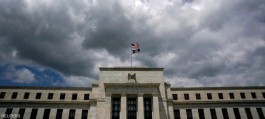

















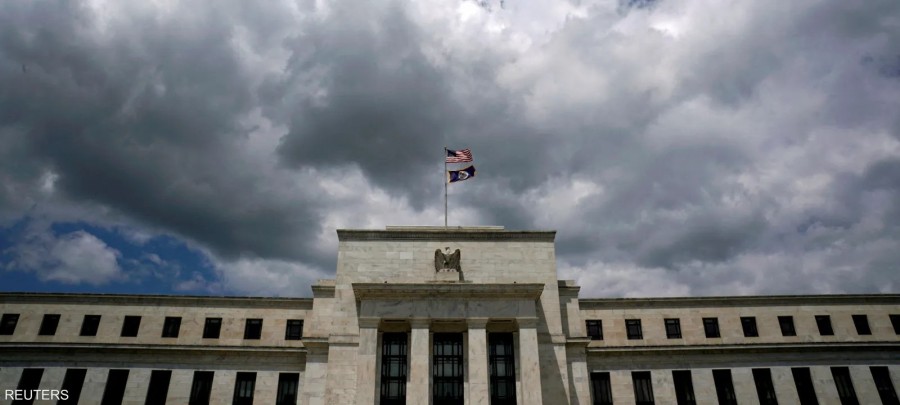


The US Federal Reserve and its counterparts in the Eurozone and Japan are likely to keep interest rates unchanged next week, preferring to wait before approving possible further increases.
The decisions of the three central banks, which will be issued over three days starting with the Federal Reserve's decision in Washington on Wednesday, are expected to confirm the continued tendency towards monetary tightening, with a measured pace in decision-making, while monetary policymakers face inflationary risks ranging from rising energy prices to the artificial intelligence boom.
The Federal Reserve raised interest rates in September for the first time since 2023 and signaled the possibility of another increase this year. Although US inflation data has been rising since then, monetary policymakers do not appear to be in any hurry to implement another rate hike. Instead, economists and investors expect this move to take place at the final meeting of 2026, scheduled for December.
Markets are awaiting signals from Warsh regarding December.
Federal Reserve Chairman Kevin Warsh, who avoided giving guidance on future policy moves, will face a tough test at the press conference following the meeting. He is unlikely to offer much information about December, but he also may not want to push market expectations away from the current bet on an interest rate hike.
Those who follow Federal Reserve policies may have to wait until the meeting is over to find out what the rest of the US central bank officials will say about the outlook for monetary policy.
Bloomberg Economics experts' opinion:
Anna Wong says: We still expect the Federal Reserve to keep interest rates unchanged until the end of the year. The effects of higher borrowing costs are gradually spreading to the economy, and there is a risk that a market correction linked to artificial intelligence, coinciding with the midterm elections, could lead to a sudden tightening of financial conditions.
Expected signals from the European Central Bank
The European Central Bank may give signals on Thursday about a possible interest rate hike in December, in a decision overshadowed by turmoil in the French bond market.
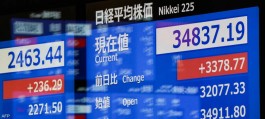
The following day, the Bank of Japan is expected to keep interest rates unchanged, while leaving the door open for a move at the end of the year.
Contrary to expectations that interest rates will remain unchanged in the decisions of these three major central banks within the G7 group of countries, other central banks may take measures to adjust interest rates.
Most analysts expect New Zealand to raise interest rates on Wednesday, while a number of economists believe the Bank of Canada may approve its first interest rate hike in three years on the same day.
In other developments, economic growth data in the United States and the Eurozone, the British budget, and interest rate decisions in Colombia and Thailand will be among the most anticipated events next week.