
































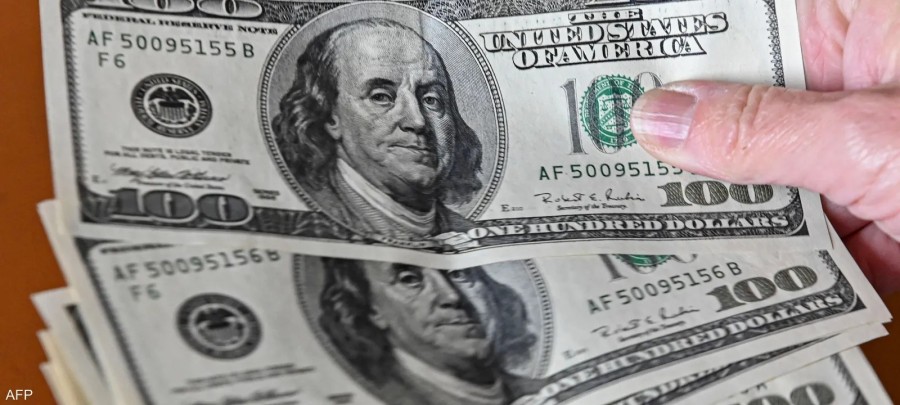


The US dollar edged lower on Tuesday, as markets weighed escalating tensions in the Middle East against optimism boosted by weaker-than-expected US inflation data released last week.
The euro rose 0.09% against the dollar to $1.1424, while the Japanese yen fell 0.09% against the US currency to 162.63 yen per dollar.
This performance reflects the uncertainty prevailing in the markets, given the difficulty in assessing the impact of the rapid developments in the Middle East on the global economy.
Geopolitical tensions are supporting the dollar, while diplomacy is limiting its gains.
The US military continued its strikes against Iran for the tenth consecutive night, reigniting tensions and prompting investors to reduce their bets on an imminent end to the conflict, which usually supports demand for safe havens, such as the dollar.
Meanwhile, diplomatic efforts are continuing, with a senior Iranian official telling Reuters on Monday that Tehran had received, through intermediaries, a proposal that included a 10-day ceasefire.
The lack of clarity regarding the course of the crisis has kept the dollar in a state of fluctuation, with investors reluctant to take large positions in either direction.
Inflation and oil prices add further uncertainty
Uncertainty over inflation has also contributed to increased investor caution, after last week's subdued US inflation data reduced expectations of further interest rate hikes, which limited the dollar's strength.
But the future of inflation remains uncertain, as it largely depends on when shipping traffic through the Strait of Hormuz returns to normal and oil markets stabilize.