

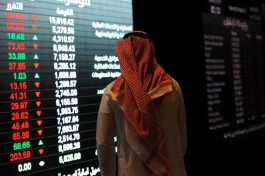
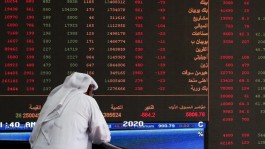
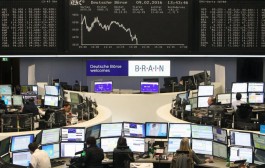













European stocks traded almost flat near record highs, as a sharp rise in crude oil prices and the collapse of Middle East peace talks dampened momentum across different markets, creating a volatile environment during an earnings season that is increasingly testing valuations in the technology and artificial intelligence sectors.
The pan-European STOXX 600 index showed little change, remaining below its all-time high. The energy sector outperformed, with oil prices rising to their highest level since July 31, while the capital goods, media, and technology sectors declined.
This pause in European stock exchanges reflects a growing sense of exhaustion in global trading hubs, as markets repeatedly rallied in response to initial statements indicating progress in Gulf diplomatic talks, only to see risk premiums quickly rise again as negotiations faltered and entered familiar political deadlocks.
The latest diplomatic impasse emerged after US President Donald Trump insisted on stringent conditions in response to an Iranian proposal, conveyed through Oman, for a new framework for maritime traffic through the Strait of Hormuz. Trump's demands included requiring Tehran to pay direct financial compensation for lives lost in regional conflicts, attacks, and protests—a sharp escalation in rhetoric that threatens to derail mediation efforts led by Muscat and Doha.
Renewed geopolitical tensions have pushed Brent crude to its highest level in several weeks, surpassing $84.00 a barrel. This rise in energy input costs comes at a particularly sensitive time for European equity managers, who are already struggling to absorb sharp swings in certain stocks during the current second-quarter earnings season.
Although overall European profits performed strongly and exceeded expectations, supported by the healthcare, energy infrastructure and defense sectors, the technology and industrial suppliers sectors are facing increasing scrutiny.
The divergent quarterly reports from the world’s largest hardware companies have triggered sharp and unexpected fluctuations across semiconductor supply chains.
Investors have become more cautious about rewarding massive investment plans in artificial intelligence infrastructure without a clear view of immediate returns, adding a burden to a sector that has been the main driver of the upward trend this year.
Managing sharp sector rotations has become an increasing challenge for fund managers, who are seeking to balance persistent energy-related inflation risks with a slowing global growth environment.
Added to this is macroeconomic anxiety that is deepening market caution, as markets await the highly anticipated US Consumer Price Index report on Wednesday.
Following last week's unexpected contraction in US jobs data, investors are looking for conclusive evidence that core inflation is declining at a sufficient pace to allow central banks on both sides of the Atlantic to keep their policies unchanged until the fall.
Until the inflation picture becomes clearer and shipping routes through the Strait of Hormuz are secured, trading centers expect European indices to remain trapped in a narrow, news-driven range.