
















Wholesale natural gas prices in Europe rose by about 3.5% on Monday, reaching their highest level since March 23, 2025, amid a new escalation in the Middle East conflict that reignited deep concerns about disruptions to liquefied natural gas (LNG) supplies globally.
The Dutch forward contract for next month, the European benchmark, jumped 3.45% in mid-morning trading, while the British wholesale gas contract reversed these gains with a rise of 3.52%.
This sharp rise in prices came in the wake of reports that a commercial tanker caught fire in the strategic Strait of Hormuz after being struck.
The Strait of Hormuz is the world’s most important maritime artery for energy transport, through which about one-fifth of the world’s liquefied natural gas trade passes, mainly exported by the Gulf states.
European energy markets are extremely sensitive to any threat that could affect shipping traffic through the Arabian Gulf.
Since the structural decline in Russian gas supplies via pipelines in recent years, the continent has become heavily reliant on seaborne shipments of liquefied natural gas to heat homes and power factories.
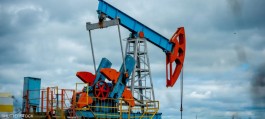
This growing maritime escalation comes at a very sensitive time for European utility companies, as a 2.2% rise in global crude oil prices has contributed to a parallel increase in gas contracts linked to oil prices.
Traders point out that, although liquefied natural gas shipments continue to pass through the strait under heavy guard, the nature of the threat has changed fundamentally.
The mere mention of active security threats and incidents targeting ships prompts insurance companies to demand extremely high premiums to cover war risks, a cost that is immediately reflected in the European price curve.