





































Oil prices rose in early trading on Thursday, supported by hopes of de-escalation between the United States and Iran, following reports that Tehran might allow ships to pass through the Strait of Hormuz.
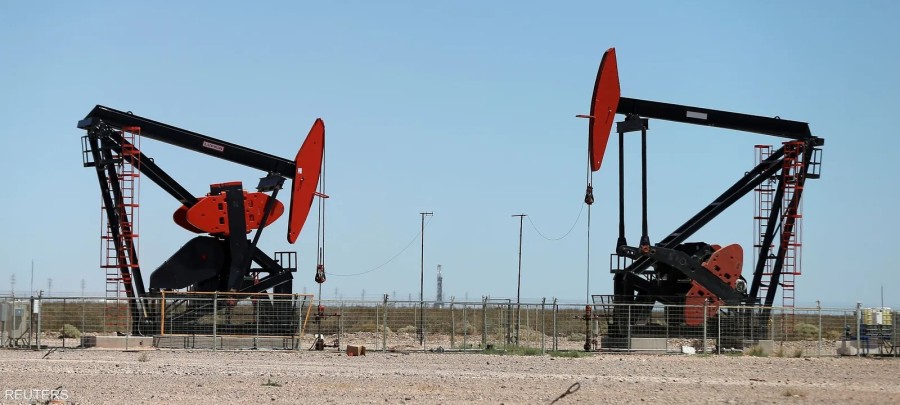
Brent crude futures rose to $95.02 a barrel, up $0.09 or 0.09% at the time of writing. West Texas Intermediate (WTI) crude futures were at $91.59 a barrel.
Prices had fallen earlier in the session before rebounding, as markets continued to await developments in the region's geopolitical tensions.
The two indices showed little change at settlement on Wednesday.
The White House on Wednesday expressed optimism about the possibility of reaching an agreement to end the war with Iran, while warning of increased economic pressure on Tehran if it continues its hardline stance.
A source in Tehran told Reuters that Iran might consider allowing ships to sail freely from the Omani side of the Strait of Hormuz, if an agreement is reached to prevent a renewed conflict.
Toshitaka Tazawa, an analyst at Fujitomi Securities, said: Despite hopes for de-escalation, a number of investors remain skeptical, given that talks between the United States and Iran have repeatedly broken down, even after appearing to make progress.
He added: Until a peace agreement is reached and freedom of navigation through the strait is restored, West Texas Intermediate crude prices are expected to continue moving between $80 and $100.
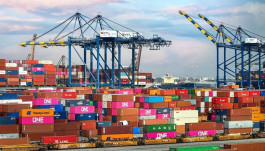
The US-Israeli war on Iran caused a major disruption to global oil and gas supplies, as a result of Iran obstructing traffic through the Strait, through which about 20% of global oil and liquefied natural gas flows passed.
Meanwhile, US and Iranian officials are considering returning to Pakistan for further talks as soon as possible, after Sunday's round of negotiations ended without an agreement. The Pakistani army chief, whose country is mediating between the two sides, arrived in Tehran on Wednesday in an effort to prevent a renewed escalation.
The United States imposed a blockade on ships leaving Iranian ports, and its military announced that it had completely cut off maritime trade entering and leaving the country.
U.S. Treasury Secretary Scott Bisent said on Wednesday that Washington would not renew the waivers that allowed some Iranian and Russian oil to be purchased without facing U.S. sanctions.
In a related context, the U.S. Energy Information Administration reported on Wednesday that crude oil inventories fell by 913,000 barrels to 463.8 million barrels in the week ending April 10, while analysts had expected, in a Reuters poll, an increase of 154,000 barrels.