





























Oil is one of the world's most important strategic resources, often called the lifeblood of the global economy due to its vital role in powering industries, transportation, and energy production. Recently, global oil markets have experienced significant fluctuations as a result of a range of economic and political factors, directly impacting various sectors of the global economy.
First: Reasons for oil price volatility
Oil prices are affected by several key factors, most notably global supply and demand. When global energy demand rises, especially during periods of economic growth, prices rise, while weak growth or recession leads to a decline.
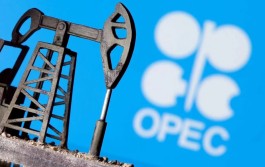
Decisions by the Organization of the Petroleum Exporting Countries (OPEC+) also play a pivotal role in regulating production levels. Any reduction in production often leads to higher prices, while an increase in production can cause prices to fall.
In addition, geopolitical tensions significantly affect the oil market, such as conflicts in key production areas or economic sanctions on some producing countries, creating instability in supplies.
Second: The current situation of the oil market
Oil prices have fluctuated between rising and falling in recent weeks, due to the interplay of several factors, most notably fears of a global economic slowdown on the one hand, and the continuation of some production cuts on the other.
Expectations of lower demand in some major economies, such as China and Europe, also contributed to the downward pressure on prices, while other factors, such as supply disruptions in some regions, supported the upward trend.
This divergence reflects the uncertainty currently gripping global markets, as investors attempt to predict the direction of the global economy under unstable conditions.
Third: The impact of oil prices on the global economy
Oil prices directly affect most economies, whether they are producing or consuming countries.
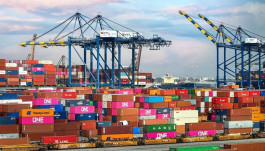
When prices rise, oil-producing countries benefit from increased revenues, which strengthens their public budgets and enhances their ability to invest in development projects. Conversely, importing countries suffer from higher energy costs, leading to increased inflation and higher prices for goods and services.
When prices fall, importing countries benefit from lower energy costs, while producing countries are negatively affected by lower revenues, which may lead to reduced government spending.
Fourth: The impact of oil on inflation and interest rates
Oil is a key factor in determining global inflation rates because it is used in the production and transportation of most goods. Therefore, any increase in oil prices is quickly reflected in the prices of food, transportation, and manufactured goods.
Consequently, central banks often resort to raising interest rates to counter inflation caused by rising energy costs, which in turn slows economic activity and reduces investment.
Fifth: Its impact on financial markets
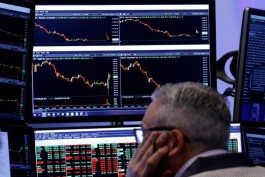
The effects of oil are not limited to the real economy; they extend to financial markets as well. Higher oil prices can lead to a rise in energy company stocks, while causing industrial and transportation stocks to decline due to increased costs.
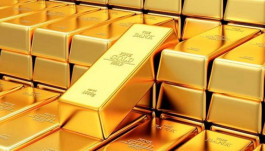
The instability in oil prices also increases the volatility of stock and currency markets, as investors turn to safe-haven assets such as gold during times of uncertainty.
Sixth: Future expectations
Economists expect oil prices to remain volatile in the coming period, given the ongoing geopolitical tensions and the unclear outlook for global economic growth.
The global shift towards renewable energy may also put long-term pressure on oil demand, although it remains the world's primary energy source for now.
It can be argued that oil will remain a pivotal element of the global economy, and any change in its prices has far-reaching consequences, extending from major economies to emerging markets. Between fluctuations in supply and demand and political tensions, the oil market remains one of the most sensitive and influential markets in the world.