


















Bonds and stocks fell as tensions in the Middle East escalated after President Donald Trump rejected Iran's latest proposal to reopen the Strait of Hormuz, dispelling some of the optimism that had supported markets late last week.
Shorter-term Treasury bonds led the losses, with the yield on the interest rate-sensitive two-year note rising five basis points to 4.90%. The yield on the benchmark 10-year note climbed four basis points, erasing Friday's decline, which had been fueled by expectations that U.S. and Iranian negotiators were considering an interim agreement that would reopen the vital waterway.
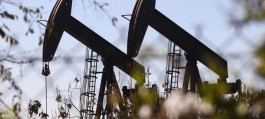
Brent crude rose 1.6% to around $106 a barrel after Iran said it would not soften its demands and stuck to its seven-day proposal to reopen the Strait of Hormuz. The dollar rose against most major currencies. Gold fell 1.8% as the impasse over the waterway kept energy costs high and maintained pressure on the Federal Reserve to raise interest rates to combat inflation.
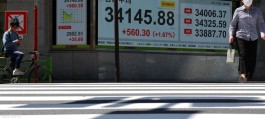
The MSCI Asia Pacific Index fell 0.5%, with benchmark stock indices in mainland China and South Korea declining by more than 2%. Nasdaq 100 futures dropped 0.6%.
Oil and revenues are putting pressure on global markets.
Oil remains a key driver of the markets, as high energy costs increase inflationary pressures and reinforce expectations of further interest rate hikes.
Last week, the average yield on a global bond index rose above 4% for the first time since 2007, raising concerns that higher borrowing costs could eventually put pressure on the economy and corporate profits.
Naoki Fujiwara, senior fund manager at Shinkin Asset Management, said the situation in the Middle East is a concern for investors, as is the rise in bond yields.
Elsewhere, the pound held steady as British police investigated a possible terrorist incident after five men were arrested near an airbase used in the US strikes on Iran. Trump said the suspects were looking to inflict significant damage on the facility.
In tariff-related news, the United States unveiled details of a plan to cut tariffs on nearly $30 billion worth of imported goods from each side, following a summit between Trump and Xi Jinping.
Volatility could continue this week, with anticipation of the Federal Reserve’s preferred inflation gauge and US jobs reports, which will shape expectations for at least one more interest rate hike this year, following the central bank’s first increase since 2023 earlier this month.
Returning to the Middle East, Trump said he expects negotiations to resume this week despite rejecting Tehran's latest offer, according to Axios. He also said he is seriously considering banning diesel exports.
The Federal Reserve is caught between further tightening and Bisnett's accommodative tone.
Several Federal Reserve officials have pointed to the resilience of economic growth and the strength of the labor market as reasons why further monetary tightening may be needed. Cleveland Federal Reserve President Beth Hammack said these factors, along with concerns about government debt, are helping to push long-term Treasury yields higher.
Traders are fully pricing in at least one more 25 basis point increase before the end of the year.
Treasury Secretary Scott Bessent struck a more dovish tone, saying policymakers should keep an open mind about interest rates, as productivity gains from artificial intelligence and loosening regulations could help contain inflation.
Nick Tweedel, senior market analyst at AT Global Markets, wrote in a note to clients: “Geopolitical developments over the weekend are likely to keep volatility high across global markets.”