
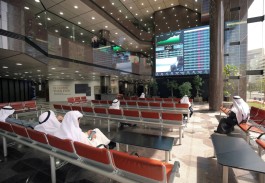
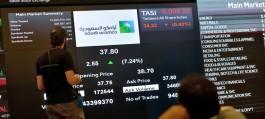
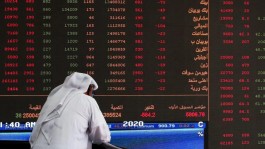
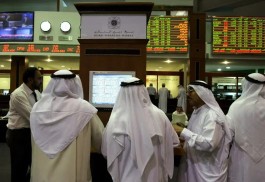
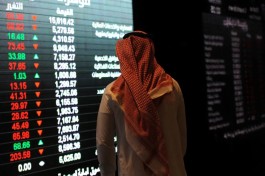














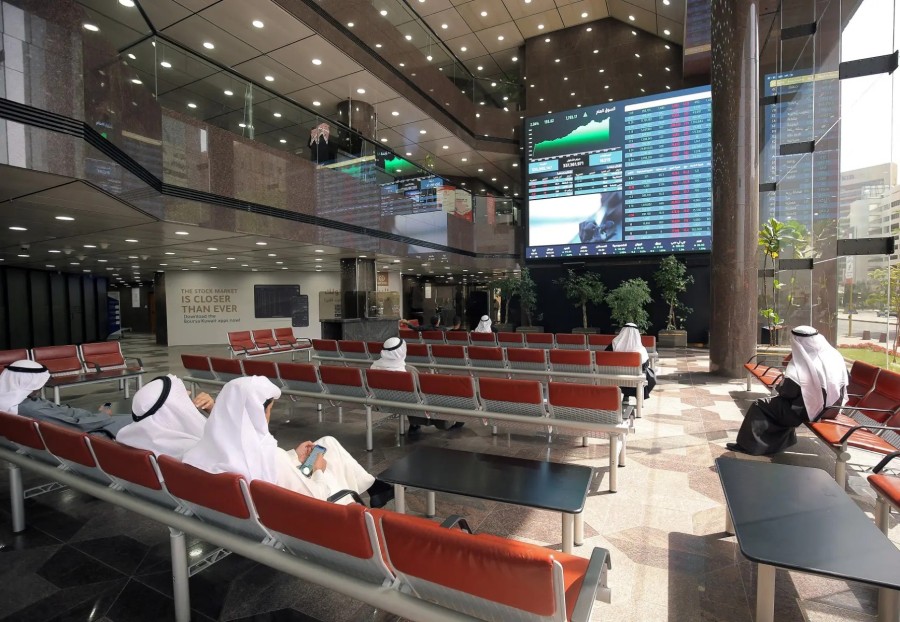


The Saudi stock market held steady during the first trading session of the week, ignoring the escalating Houthi attacks on the Kingdom and the targeting of King Khalid International Airport in Riyadh, coinciding with the start of the third quarter corporate earnings season.
The Tadawul All Share Index (TASI) reversed its earlier decline of more than 1.5%, rising slightly by approximately 0.14%. This recovery followed a rebound in key sectors, led by energy, banking, basic materials, and utilities. Trading volume reached approximately 2 billion riyals by 1:50 PM Riyadh time.
The market losses came after an attack targeted King Khalid International Airport on Saturday afternoon, resulting in the deaths of 12 people and injuries to 309 others, according to the General Authority of Civil Aviation. The spokesman for the Saudi-led coalition supporting the legitimate government in Yemen, Major General Turki al-Maliki, accused the Houthis of being behind the attack, affirming that the coalition would respond decisively.
TASI begins the week after recording its sixth consecutive weekly loss, the longest losing streak since late 2022. The index ended last week down by about 0.16%, after Thursday's 1.6% decline erased its previous gains, mainly due to pressure from bank stocks.
Tensions and the earnings season are testing the market.
Mary Salem, a financial analyst at Bloomberg Middle East, commented on the market's decline amid escalating geopolitical tensions, saying that the drop, driven by investor caution, could be followed by a swift rebound. She added that third-quarter results will be crucial in attracting liquidity and supporting the recovery if they are positive or exceed expectations.
In contrast, Majid Al-Khaldi, senior financial analyst at Al-Eqtisadiah newspaper, said in an interview with Asharq Bloomberg that the market is facing pressure from rising interest rates and corporate costs, explaining that revenue growth alone is not enough to support stocks unless it is reflected in profits.
Financial analyst Assem Mansour agreed on the importance of the earnings season, noting that disappointing results from some retail and consumer finance companies are increasing pressure on the market, along with rising bond yields and opportunity costs. He believes that bank results will be a crucial factor in determining the index's ability to recover, especially if they exceed investor expectations.
The company's net profit for the third quarter rose 94.4% year-on-year to SAR 4 million, exceeding analysts' expectations of a SAR 12 million loss. Revenue declined by approximately 4%. The stock is down 1.5%.
Salem noted that Advanced Petrochemical Company (APC) had shifted to a loss during the first nine months of the year, raising questions about whether the pressures facing the company are cyclical or structural, given weak global demand and rising shipping, insurance, and financing costs. She added that continued pressure on margins in the coming quarters could affect the stock's valuation, while recovery hinges on improved sector conditions and the company's ability to control costs.
In contrast, Al Moammar Information Systems received its third work order from Humane, valued at over 135% of its total revenue for 2025, as part of an agreement to expand a data center dedicated to artificial intelligence technologies. The order will take 16 months to complete, with its financial impact beginning in the fourth quarter of this year.
Salem said the contracts support expectations of revenue growth for Al-Muammar, but their impact on profits depends on implementation costs and the efficiency of their management, noting that revenues will be distributed over the duration of the project and will not appear all at once in one financial quarter.