



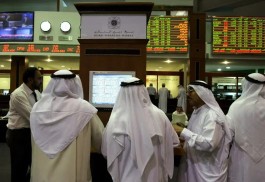
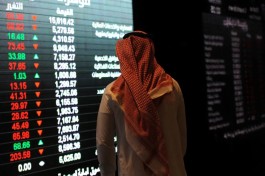












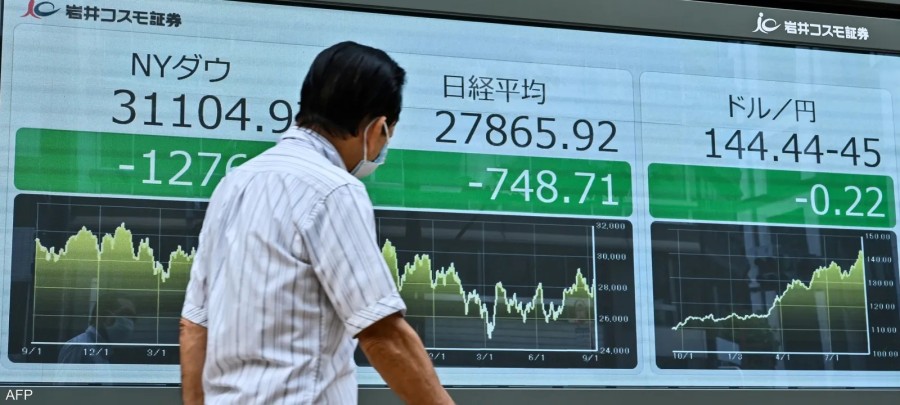


Asian stocks retreated after a two-day rally, while oil prices rose, as conflicting signals from the Middle East kept investors cautious about the prospects for a ceasefire between the United States and Iran.
The MSCI Asia Pacific index fell 1%, while US stock futures declined 0.3% in Asian trading, as the conflict in the Middle East continued.
Israel said on Thursday that it had launched a wave of strikes in Iran's Isfahan, targeting infrastructure in several areas. Losses in technology stocks, particularly in South Korea, also contributed to weakness in Asian markets.
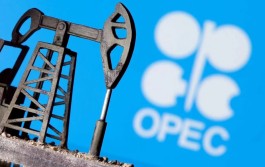
Oil rose 1.8% to trade at $104 a barrel, recovering from the previous session when concerns eased due to reports of negotiations between the United States and Iran.
Since then, while the US side has affirmed that talks are ongoing, Iran has rejected US President Donald Trump's initiatives. Oil prices have remained volatile this week, with losses often followed by gains the next day.
The dollar index rose, while the yield on the benchmark 10-year U.S. Treasury note climbed two basis points to 4.35%, as rising oil prices fueled inflation fears, reinforcing expectations that policymakers will keep interest rates high or even move toward tightening them.
News-driven fluctuations and tensions
Fabian Yip, a market analyst at IG International, said: Markets were largely driven by headlines, with conflicting messages continuing to emerge about the situation in Iran.
He added: Markets need more clarity on the potential outcomes. Until the terms of the truce are agreed upon, we will continue to see this volatility.
Markets have shown some optimism as US efforts to end the conflict accelerate, despite reports that Iran has rejected a truce and continued its strikes.
With conflicting signals about the negotiations, Washington ordered the deployment of thousands of troops to the region, raising concerns that Trump may be preparing for a risky ground invasion that he had previously opposed.
Trump was pushing for talks with Iran in an attempt to halt the conflict, which was nearing its fourth week.
The White House said the United States had held productive talks with Iran over the past three days and had prepared a plan calling for Tehran to dismantle its main nuclear facilities and use a reduced missile arsenal for self-defense purposes only.
David Savage, macro strategist at Bloomberg Economics, believes that investors may find it increasingly difficult to ignore the growing economic impact of the energy shock.
He added: Until the optimistic rhetoric from the United States is backed up by concrete steps to reopen the Strait of Hormuz, the path of least resistance for regional stocks still tends to be downward.
The ambiguity of the negotiations and the focus on the Strait of Hormuz
But Tehran is showing limited willingness to make concessions. The semi-official Fars news agency stated that the United States' initiation of indirect talks is an illogical and impractical step at this stage.
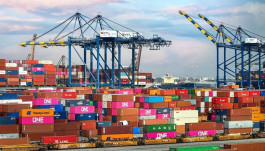
Amid these developments, traders' focus remained on the Strait of Hormuz, the vital artery for oil flows in the Middle East, which remains effectively closed to ships.
Elias Haddad of Brown Brothers Harriman said: “Markets are positioning themselves based on the expectation of a resolution to the conflict, despite the continued strategic uncertainty. Ultimately, Iran’s response to the US de-escalation efforts will determine whether the peak of the crisis is behind us or still ahead.”
BlackRock: Markets underestimate war risks
The official Press TV channel noted that Iran has its own conditions for a ceasefire, including guarantees that the United States and Israel will not resume their attacks, along with compensation and recognition of its control over the Strait of Hormuz.
In the same context, BlackRock President Rob Capito said that investors may be underestimating the risks stemming from a war with Iran, which is likely to negatively impact growth and raise inflation, even if the conflict ends soon.
In other parts of the market, the yield on two-year Japanese government bonds rose to its highest level since 1996, amid growing expectations that the Bank of Japan will soon raise interest rates.
Stocks in South Korea fell 3%, as Asian memory and storage companies followed the losses of their US counterparts amid concerns about declining demand, after Google researchers announced a new technology to compress large language models and search engines.
The repercussions of the war extend across Asia.
Meanwhile, the fallout from the conflict has spread across Asia, with South Korea setting up an emergency task force to prepare for negative scenarios, Japan reviewing its oil product supply chains, and the Philippines declaring a national emergency.
Strategists at Bespoke Investment Group said there is no way to know the facts at this stage regarding the status of the negotiations, so sharp movements are expected to continue as events unfold.
They added: Although Iran still has some cards to play, the balance is heavily tilted against it.