




































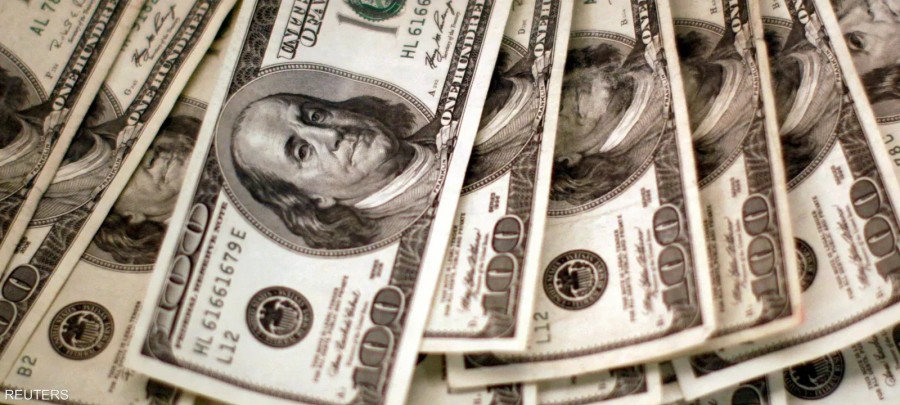


The dollar fell during trading on Thursday, May 7, as hopes grew for a possible de-escalation between the United States and Iran, boosting the performance of risk-sensitive currencies and oil prices, while Japan continued to send strong signals to support the yen.
US President Donald Trump had predicted a swift end to the war with Iran, at a time when Tehran is considering an American peace proposal that sources told Reuters could formally end the war, but leave key issues unresolved, most notably Iran’s nuclear program and freedom of navigation in the Strait of Hormuz.
Despite the optimism, market movements appeared calmer compared to Wednesday's session, which saw widespread reaction to the latest proposals.
The euro and the pound continue to rise
The euro rose 0.1% to $1.1763, after gaining about 0.47% in the previous session, while the British pound climbed 0.16% to $1.3615, continuing its gains after rising 0.4% on Wednesday.
Oil retreats from its peaks despite continued tensions
Oil prices showed signs of easing concerns about supplies from the Gulf, with growing hopes that oil exports could resume. Brent crude for June delivery was trading at around $98.6 a barrel, down from recent highs, but still well above pre-war levels.
The yen continues to recover, supported by potential interventions.
The Japanese yen rose to 156.21 against the dollar, extending its gains after a strong jump in Wednesday's session amid growing speculation that Japanese authorities will intervene to support the currency.
Sources told Reuters that Japanese authorities intervened last week, with markets estimating that around $35 billion was sold to support the yen.
Since then, the markets have seen three sudden surges in the Japanese currency, the latest of which was yesterday, Wednesday.
Australian dollar nears 4-year high
The Australian dollar, which is seen as a risk-sensitive currency, also rose 0.3% to $0.7242, remaining close to the four-year high it reached during Wednesday's session.