




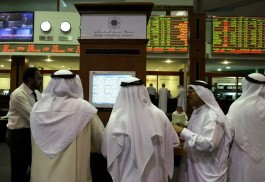
















Chip stocks led Asian shares higher amid optimism that a new OpenAI model will boost demand for AI computing power. Oil prices rose after the US and Iran exchanged attacks, including on tankers in the Strait of Hormuz.
The MSCI Asia Pacific Index rose 1.2%, with South Korean chipmakers SK Hynix and Samsung Electronics being the biggest contributors to the gains.
The gains came after the Nasdaq 100 closed 0.2% higher on Friday, and the Philadelphia Semiconductor Index jumped 3.4%. However, most U.S. stocks declined on Friday after strong U.S. jobs data bolstered bets on a Federal Reserve interest rate hike.
OpenAI said last week that it is rolling out a new generation of its technology called GPT-6, which the company is presenting as a major milestone in its decade-long quest to build what it calls artificial general intelligence.
Tim Waterer, senior market analyst at KCM Trade, said: “This rally in tech stocks is keeping traders in a buying mood today.” He added: “It’s somewhat surprising how quickly Asian markets have bounced off the negative moves in US markets in response to the jobs data.”
In other assets, the yen rose slightly in Asian trading, while there were no cash trades on Treasury bonds on Monday due to a public holiday in the United States.
Brent crude rose as much as 0.8% to trade near $97 a barrel before paring gains, while West Texas Intermediate was around $92. European natural gas prices jumped as much as 4.2% in thin trading.
Hormuz and oil bring inflation back to the forefront
The United States said it launched strikes against three Iranian oil tankers over the weekend, destroying one of them, in response to ballistic missile attacks targeting U.S. Navy warships.
In response, Iran’s top security official said a new no-fly zone outside Hormuz would be announced in the coming days, starting at the US Navy blockade line and extending into parts of the Arabian Gulf, according to Press TV.
The rise in oil prices, along with stronger-than-expected US jobs figures on Friday, puts additional focus on US inflation data due next Friday, which could make a Federal Reserve interest rate hike this month more likely.
Elias Haddad, global head of market strategy at Brown Brothers Harriman, wrote in a note to clients that the Federal Reserve's interest rate hike on September 16 hinges on Friday's reading of the U.S. Consumer Price Index for August.
He added that a higher reading of the Consumer Price Index would almost certainly guarantee an interest rate hike in September and support a stronger US dollar. A weaker reading, on the other hand, would strengthen the case for keeping interest rates unchanged and leave the US dollar vulnerable to a more accommodative repricing by the Federal Reserve.
In currency markets, the yen edged higher amid speculation that Japan's Government Pension Investment Fund (GPIF) might increase its allocation to domestic assets, and as traders assessed the likelihood of the central bank raising interest rates this month. The currency rose as much as 0.3% to 155.80 yen against the dollar.
Abbas Keshwani, head of Asia macro strategy at RBC Capital Markets, said: “We are still trading in the wake of last week’s news from Japan’s Government Pension Investment Fund. A potential shift by the fund could help stabilize the Japanese government bond market and kickstart a recovery in the yen before next year.”
China strengthens the capitalization of its banks.
Elsewhere, China is injecting 300 billion yuan, or $45 billion, into its largest banks and insurance companies, in the biggest recapitalization of the country's financial sector in nearly two decades, with the aim of strengthening its financial system and keeping lending going as economic growth slows.
European bonds, including German ones, will also be under close scrutiny on Monday after the far-right Alternative for Germany party recorded its best-ever result in state elections on Sunday. The euro was little changed in early Asian trading.
The Alternative for Germany (AfD) party won 44% of the vote in the eastern state of Saxony-Anhalt, more than double its previous level of support, putting it ahead of the long-ruling Christian Democratic Union (CDU) after its support collapsed to 17.5%, according to an estimate broadcast by ARD.
In company news, Hon Hai Precision Industry Co., Nvidia’s server assembly partner, announced a 52% increase in its monthly sales, driven by demand for servers as companies race to build data centers and artificial intelligence capabilities.
The Taiwanese company's sales are closely watched as an indicator of AI spending amid growing concerns about overcapacity, rising debt, and intensifying competition.