


































Oil prices rose by about 2% during trading on Tuesday, amid continued concerns about supply disruptions after attacks targeting energy facilities in Saudi Arabia put the East-West pipeline out of service and raised doubts about efforts to reduce shipping risks in the Gulf region.
Brent crude futures rose $1.87, or 1.77%, to $107.55 a barrel by 06:33 GMT, while U.S. West Texas Intermediate crude futures climbed $1.88, or 1.85%, to $103.27 a barrel. Both benchmarks had risen more than 1% in the previous session.
Iranian-backed Houthi forces in Yemen launched fresh attacks on Saudi Arabia on Monday, while Gulf Arab states postponed planned talks with Iran, raising fears of a wider conflict in the Middle East and increasing disruptions to global oil supplies.
The Houthi group carried out a missile and drone attack on the Khamis Mushait military air base in southern Saudi Arabia. The attack targeted aircraft hangars, radar systems, base runways and ammunition depots, in response to Saudi strikes in Yemen.
These attacks came after other attacks targeting Saudi Arabia on Friday, which Riyadh blamed on Iranian-backed fighters in Iraq, and which disrupted the East-West pipeline that allows Saudi Arabia to transport its oil exports bypassing the blockaded Strait of Hormuz.
Tim Waterer, senior market analyst at KCM Trade, said that oil traders are treating each new attack or targeting of an infrastructure facility as an additional risk to supplies, while remaining highly sensitive to any indications that the East-West pipeline or shipping traffic through the Strait of Hormuz could return to normal.
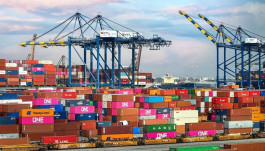
Preliminary data from Kpler on Tuesday showed that the movement of cargo ships through the Strait of Hormuz had fallen to just 4 vessels on Monday, compared to 10 the previous day, raising further concerns about this vital waterway that carried about a fifth of the world's oil supply before the outbreak of the US-Israeli war on Iran on February 28.
According to Saudi buyers and traders, Saudi Arabia could begin to run out of oil available for export within days unless it can restart the East-West pipeline, which could take up to 4% of global supplies off the market.
4 million barrels per day are at risk
Saudi Arabia, the world's largest oil exporter, uses the pipeline to redirect about 4 million barrels per day, or about 4% of global supply, to the port of Yanbu on the Red Sea.
ING analysts said in a note that considerable uncertainty remains about the extent of the damage and how long Saudi Arabia’s East-West pipeline will remain out of service, adding that oil prices are likely to remain strongly supported until the supply situation becomes clearer.
In a separate development, Ukrainian President Volodymyr Zelensky said on Monday that Kyiv was prepared to support a U.S. proposal for a ceasefire between Russia and Ukraine limited to energy facilities, but only on the condition that Washington could guarantee that Moscow was genuinely prepared to end its war on Ukraine.
In China, official data showed crude oil processing rates rose for the second consecutive month in August, driven by increased fuel exports after Beijing eased export restrictions in mid-July.