



































The US dollar continues to decline ahead of the release of key inflation data.
Bets are increasing on the continued normalization of Japanese monetary policy.
Breaking down carry trades based on interest rate differentials
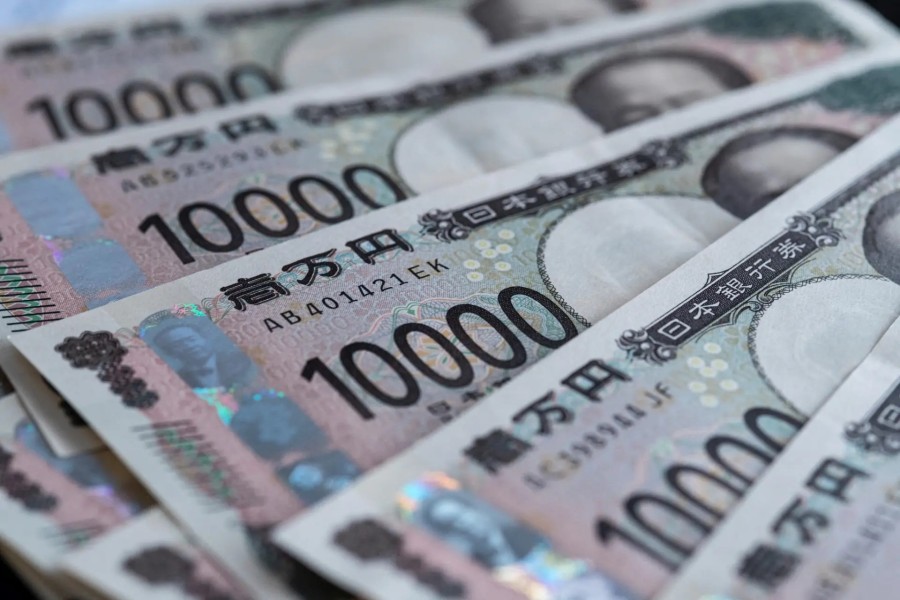
The Japanese yen rose in Asian markets on Wednesday against a basket of major and minor currencies, maintaining its strong gains for the third consecutive day against the US dollar, on its way to re-touching its highest levels in seven months, amid strong bullish expectations for the Japanese currency thanks to a range of positive catalysts.
These catalysts include the decline of the US dollar ahead of the release of key US inflation data, which will provide crucial clues about the likelihood of the Federal Reserve raising interest rates this September.
It also includes the Bank of Japan’s hawkish stance, which has boosted bets on the continued normalization of Japanese monetary policy this year, leading to a surge in carry trade unwindings based on interest rate differentials.
Price overview
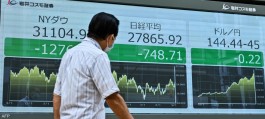
Today's Japanese Yen exchange rate: The dollar fell against the yen by about 0.5% to (153.25¥), from today's opening price of (153.97¥), and recorded a high of (153.98¥).
The yen ended Tuesday's trading session up 0.25% against the dollar, its second consecutive daily gain, and hit a seven-month high of 152.89 yen, amid strong bullish catalysts.
US dollar
The dollar index fell 0.1% on Wednesday, nearing its lowest level in three weeks, reflecting the continued decline of the US currency against a basket of global currencies.
This decline in dollar levels comes as the US administration renews pressure on the Federal Reserve to cut interest rates, while markets await key US inflation data on Thursday and Friday, which will provide crucial clues about the future path of US interest rates.
Bank of Japan
Bank of Japan Governor Kazuo Ueda said last week that the bank would discuss raising interest rates, including during its September meeting, focusing on whether inflation risks are escalating.
Bank of Japan board member Hajime Takata said monetary policy should be more flexible in raising interest rates to counter rising inflationary pressures, rather than adhering to a fixed timetable for raising them.
During his recent meetings on the sidelines of the G20 meeting in the United States, US Treasury Secretary Scott Bisnett called on the Japanese Finance Minister and the Governor of the Bank of Japan to move forward with raising interest rates and supporting the yen.
These comments and actions have reinforced bets that Japanese monetary policy will continue to normalize this year, and that interest rates will be raised more than once during the remainder of the year.
Japanese interest rate
The pricing of the probability that the Bank of Japan will raise interest rates by a quarter of a percentage point at its September meeting is currently stable at around 99%.
In order to reprice those probabilities, investors are awaiting further data on inflation, unemployment and wage levels in Japan.
The curry deals are denied amid increasing bets that the Bank of Japan will raise interest rates more than once this year, while uncertainty is growing about the path of US interest rates, especially with declining expectations about the pace of monetary tightening in the United States.
With the current spread between Japanese and US interest rates expected to narrow, the appeal of yen-based carry trades is declining, prompting investors to accelerate the unwinding of these deals and return funds to the yen.
Upward expectations
Aninda Mitra, head of macroeconomics and investment strategy for Asia at BNY Investments, said: “Recent moves have greatly obscured how markets are pricing in the Federal Reserve’s interest rate path.”
Mitra added: “We estimate that the fair value of the yen lies in the range of 140 yen to the dollar, and therefore a move of the yen back towards these levels should not be entirely surprising, after we have clearly witnessed the yen being weakened to excessive levels.”