











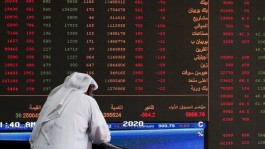



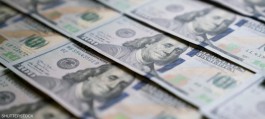








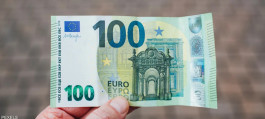



The dollar fell sharply, giving up its gains since the beginning of the year, after a ceasefire between Iran and the United States led to a drop in oil prices and unraveled one of the most prominent safe-haven bets associated with the conflict.
The Bloomberg Dollar Spot Index fell 0.8% on Wednesday, its worst performance since January, as a wave of relief swept through global markets. Stocks rose, while the dollar weakened against all 16 major currencies, with the euro, pound, and yen all posting gains of 1% or more at one point.
The announcement of a two-week truce late Tuesday sent energy prices tumbling after Tehran pledged to reopen a vital corridor for global oil trade, reducing demand for the dollar as investors turned to riskier markets.
However, the initial moves later faded, particularly in the Treasury bond market, after a senior Iranian official raised doubts about the sustainability of the agreement.
However, the dollar's decline has erased a significant portion of its wartime gains. The currency's appeal as a relatively safe asset, coupled with the belief that the US economy is more resilient to a global energy shock, had supported its strength in recent weeks.
Leah Troup, portfolio manager at Lord Abbit, said: “This is a purely relief-driven rally, especially after the escalation at the start of last week.” She added: “It makes perfect sense that markets outside the US would rise at a faster pace, given the disproportionate negative effects of the war and the energy price shocks.”
Interest rate cut bets are back in the spotlight
Traders quickly raised their expectations that the Federal Reserve would cut interest rates in the coming months, a view that was overshadowed by inflation concerns linked to the Middle East conflict.
Financial markets currently indicate a probability of approximately 25% that the Federal Reserve will implement a quarter-point cut by the end of the year.
These expectations could rise even further if oil prices continue to decline. With Iran expected to guarantee safe passage for ships through the Strait of Hormuz for two weeks, Brent crude futures fell at their fastest pace in nearly six years following the ceasefire announcement, before later paring their losses. This could pave the way for increased supplies of crude oil and other commodities to global markets.
Andrew Hazlitt, a foreign exchange trader at Monex, said the dollar is under significant pressure due to the ceasefire news and easing concerns about the energy crisis. He added: The key question in the coming days will be: to what extent will shipping traffic through the Strait of Hormuz recover, and will that lead to a sustained de-escalation?
Volatility eases amid continued caution
Volatility indicators in foreign exchange markets declined, with a measure of expected volatility in a basket of currencies against the dollar over the next month falling to its lowest level since the start of the conflict. Meanwhile, trader sentiment, as reflected in the options markets, showed a rapid decrease in bullish bets on the dollar during the same period.
However, the speed of movements in the currency markets on Wednesday suggests that unwinding long positions on the dollar by fast-moving traders was behind part of the losses, rather than any fundamental shift in investor perceptions.
A team of currency strategists at Citigroup, including Daniel Tobon, Brian Levine, and Osamu Takashima, wrote on Wednesday: “With the two-week ceasefire becoming a pivot point, debt investors are likely to utilize their sideways cash. This situation makes us hesitant to buy dollar dips at this time.”
Skyla Montgomery Koning, macro strategist at Bloomberg, noted that with Brent crude having relinquished roughly half of its gains related to Iran, the dollar appears to have moved somewhat beyond what commodity signals warrant. She added: “In the longer term, the trajectory of the currency market will depend on the extent of the economic damage that has already occurred.”
Iran's war truce remains fragile
Trading volume data for options contracts, tracked by the Depository and Settlement Corporation and compiled by Bloomberg, showed activity up by about 11% above recent averages, with particularly active trading on the euro and the British pound.
However, the continued fighting in the Middle East and the continued closure of the Strait of Hormuz on Wednesday highlighted the fragility of the ceasefire and how likely it is that the dollar's losses could be quickly reversed if the escalation resumes.
Kathleen Brooks, head of research at XTB, said: “While there are reasons for caution, the market movements have been remarkable. News continues to drive the market, and any indication that the ceasefire is in jeopardy could lead to further volatility.”