












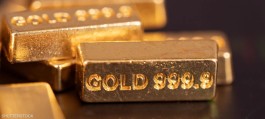






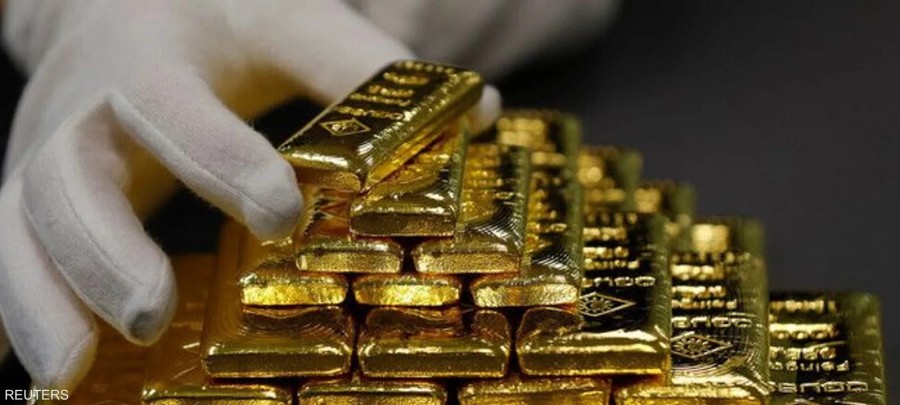


Gold and silver prices rose in early Asian trading on Wednesday after weak US retail sales data increased bets that the world's largest economy is slowing, with full focus on upcoming jobs data for clearer indications.
Precious metal prices have remained volatile since falling from record highs in late January and have struggled to recover since then. Recent declines in the dollar, coupled with weak US economic data, have provided limited support.
Uncertainty over geopolitical tensions in the Middle East also kept demand for gold as a safe haven under pressure.
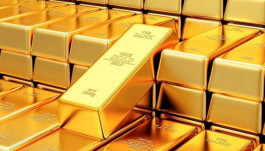
Spot gold rose 0.3% to $5,038.21 an ounce, while April gold futures climbed 0.6% to $5,061.45 an ounce by 4:21 AM Saudi time. Spot prices remained about $600 an ounce below recent record highs.
Spot silver rose 0.9% to $81.5135 an ounce, while spot platinum rose 0.9% to $2,105.86 an ounce.
Metals rise after weak US retail sales data
Precious metals prices recorded slight losses on Tuesday and rose on Wednesday after US retail sales data for December came in weaker than expected.
The data indicated that broader consumer spending in the world's largest economy was slowing amid persistent inflation and pressure on the labor market. Continued weakness in spending could lead to a weaker outlook for the economy.
In turn, a weaker economic outlook could prompt the Federal Reserve to cut interest rates further this year to bolster growth. US Treasury yields fell on this assumption, while the dollar struggled to recover from the sharp losses it suffered on Monday.
Metal prices benefited from the weakness of the dollar.
But the non-farm payrolls data, due later on Wednesday, is expected to provide clearer indications of the state of the world's largest economy. Any signs of continued weakness in the labor market are likely to increase bets on an interest rate cut.
Low borrowing rates tend to benefit gold and other non-yielding assets.
However, markets remained generally uncertain about US monetary policy, especially after President Donald Trump nominated Kevin Warsh as the next chairman of the Federal Reserve.
Warsh is seen as a less lenient choice - a concept that has led to sharp losses in metals markets since late January.