












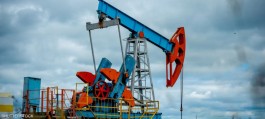













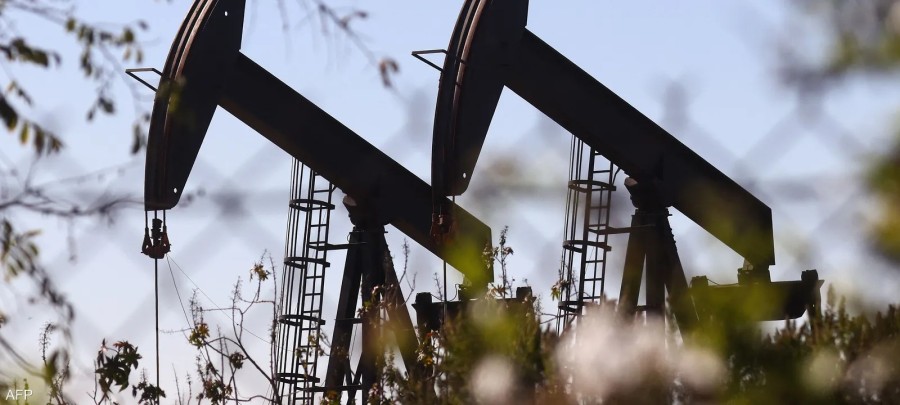


Oil prices held onto their gains for the second day in a row, as escalating tensions in the Middle East, particularly those related to OPEC member Iran, brought back a risk premium to prices.
Brent crude traded just below $69 a barrel, after rising more than 2% in the previous two sessions, while West Texas Intermediate crude settled near $64.
The United States said on Monday that U.S.-flagged ships should stay as far away as possible from Iranian waters when crossing the Strait of Hormuz, despite signs of progress in nuclear talks between Washington and Tehran.
The Strait of Hormuz is a vital waterway for energy shipments from the Middle East, connecting several major producers to global markets, particularly in Asia. Tehran has repeatedly threatened to close this waterway during periods of geopolitical tension, but has never actually carried out these threats.
Annual gains despite oversupply concerns
Oil has risen by more than 10% since the start of the year, as recurring waves of geopolitical tension have overshadowed concerns about a global supply glut that could lead to increased inventories and pressure on prices.
A series of data releases this week are expected to provide traders with fresh signals about market conditions, starting with an update from the Energy Information Administration later on Tuesday.
Washington has amassed a large military force in the Middle East, as it continues to seek talks with Tehran over its nuclear ambitions, following an initial round held in Oman last week, with additional rounds expected.
This tension has raised concerns that the United States might resort to striking targets inside Iran, which could disrupt oil flows, given that the region represents about a third of global supplies.
A positive reading of the talks… and a warning about prices
Analysts at RBC Capital Markets, including Helima Croft, wrote in a research note that Washington and Tehran appeared to have put a positive spin on the Oman talks, suggesting the possibility of further discussions in the coming weeks.
They added that during a recent visit to the Gulf region, several informed regional observers indicated that fears of rising oil prices might ultimately push US President Donald Trump to seek a negotiated settlement.
Ship tracking data in recent days has shown that some operators of supertankers, concerned about escalating tensions between the United States and Iran and the risks to navigation in the Strait of Hormuz, have accelerated the passage of their vessels through the waterway.
US tightening of shadow fleet
In another development, U.S. forces on Monday boarded a Venezuela-linked tanker in the Indian Ocean, a move that expands the geographic scope of Washington’s campaign against the shadow fleet used to export sanctioned oil.
The United States arrested Venezuelan President Nicolas Maduro last month and seized control of the country's oil sector.
An optimistic outlook for commodities
Jeff Currie of the Carlyle Group believes that oil, along with metals, remains underinvested and has significant upside potential, noting that the prevailing narrative about a surplus of oil supply is exaggerated.
“If you have to dig through the data to find evidence of a surplus, it simply means there is no real surplus in oil supplies,” Currie, chief strategy officer for energy pathways at Carlisle, told Bloomberg Television.
At 1:59 p.m. Singapore time, Brent crude futures for April settlement fell 0.3% to $68.84 a barrel, while West Texas Intermediate crude futures for March delivery fell 0.4% to trade at $64.11 a barrel.