

















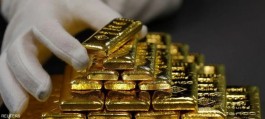











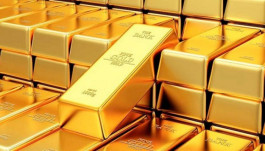




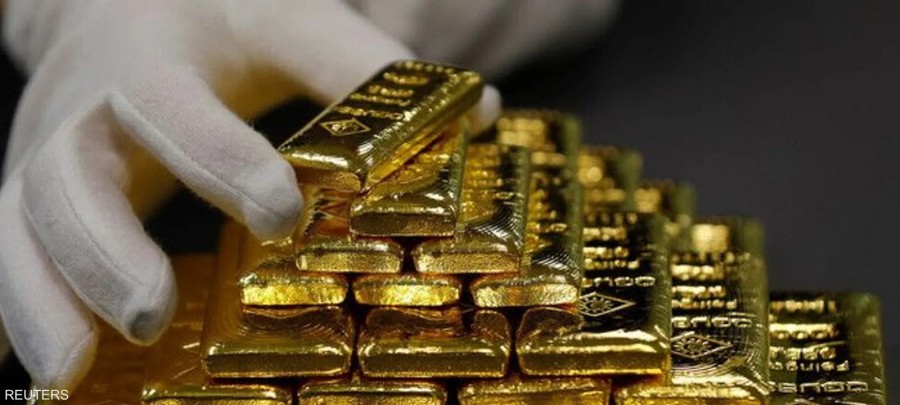


Gold prices fell to near $4,000 an ounce ahead of the Federal Reserve's interest rate decision later on Wednesday.
The price of the precious metal fell by as much as 0.8%, giving up most of its gains from the previous session. Oil prices rose as traders monitored the close results of the Israeli elections and a report from the Wall Street Journal that the United States had informed several Gulf states to prepare for a new military campaign against Iran.
The Federal Reserve's decision and inflation data will determine gold's path.
The Federal Reserve is widely expected to keep interest rates unchanged this week, which supports gold, which does not yield, but traders are pricing in another interest rate hike before the end of the year.
Federal Reserve Chairman Kevin Warsh faces the delicate task of reassuring investors of the central bank's commitment to curbing inflation caused by persistently high energy prices.
The US personal consumption expenditures price index, the Federal Reserve's preferred inflation measure, is expected to provide further clues about interest rate policy.
Chinese household purchases are supporting gold prices.
Gold has partially recovered in the past two sessions after a sell-off in AI-related stocks last week, when it fell to its lowest level since mid-July as investors sold the metal to cover losses in other assets. However, a rally in technology stocks, fueled by renewed enthusiasm for AI bets, has since helped to mitigate these effects.
Yu Xuan Tang, head of interest rate and foreign exchange strategy for Asia at JPMorgan Private Bank, said the precious metal still faces downside risks after the recent sell-off, amid continued weak liquidity and the possibility of rising interest rates.
Tang added: Gold will find a firm bottom when interest rates peak, noting that the market remains very fragile, with very limited technical support levels below $4,000 an ounce.
Although gold fell below this level in recent days, physical buyers, as well as those seeking bargain hunting, helped to halt a more sustained decline. Support came from increased demand for gold bullion among Chinese households, which has risen over the past two months as prices have fallen and domestic stocks have lost their appeal.
However, this effect may diminish as Indian buyers refrain from purchasing for the holidays, with families in the world's most populous nation betting that the recent price decline has room to continue, according to the country's largest metals refiner.
Christopher Wong, strategist at Overseas-Chinese Banking Corp, wrote in a note: Near-term risks remain skewed toward more sideways movements, but demand conditions should provide some support once the selling pressure to liquidate positions subsides.
He added: Gold needs a combination of lower oil prices, lower inflation, and a lower US dollar and bond yields to regain more sustainable upward momentum.
Spot gold fell 0.7% to $4,030.94 an ounce by 2:34 p.m. Singapore time, and silver dropped 1.1% to $53.86 an ounce.
Platinum and palladium also declined, while the Bloomberg Dollar Spot Index, which measures the performance of the US currency, rose 0.1%, marking its fourth day of gains.