










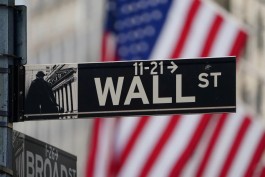
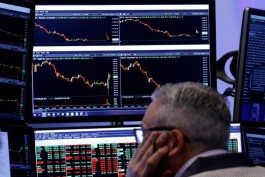














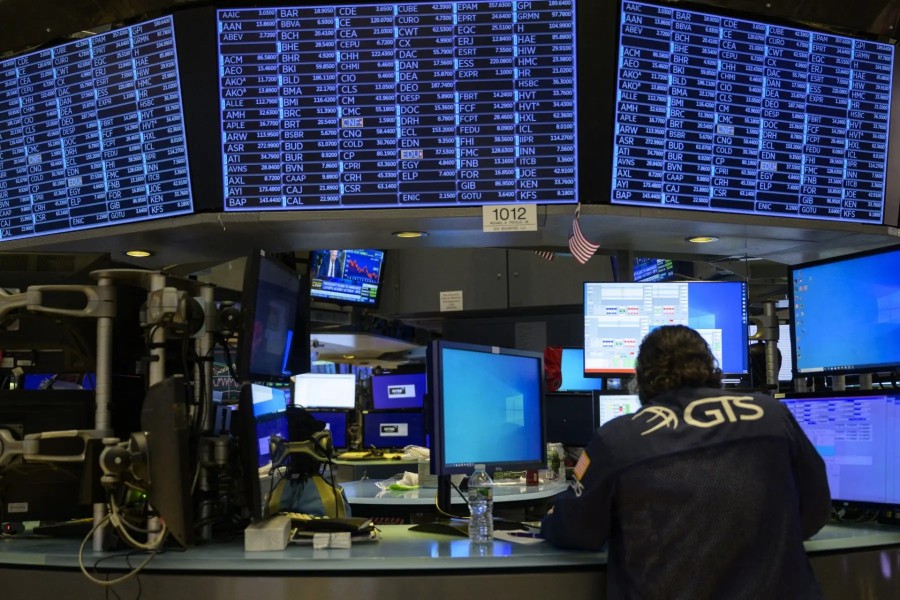


US stocks jumped as soon as trading began on Wednesday after media reports boosted investors' hopes that the conflict between the United States and Iran could end, which directly impacted the decline in oil prices and supported risk appetite in financial markets.
The Dow Jones Industrial Average rose by about 522 points, or 1.1%, while the Standard & Poor's 500 index climbed by 1%, and the Nasdaq Composite index recorded gains of 1.2%, in moves reflecting investors' quick response to any political signals that might alleviate global uncertainty.
These gains came after a New York Times report that Washington had sent a 15-point peace plan to Tehran aimed at ending the war, through Pakistani mediation, according to unnamed officials.
Political uncertainty despite optimism
Despite these positive indicators, the gap between the two sides’ positions remains wide, as military strikes continued from both sides, while the Wall Street Journal reported that the United States intends to deploy the US Army’s 82nd Airborne Division to the Middle East.
US President Donald Trump had previously stated that his country was currently negotiating with Iran, indicating that Tehran had begun to act realistically and might be ready to reach a peace agreement.
In contrast, Iranian state media denied accepting any US efforts to establish a ceasefire, reflecting the continued political tension that is impacting global market movements.
Oil prices decline, driving a wave of optimism.
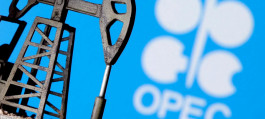
This development coincided with a sharp drop in oil prices, with West Texas Intermediate crude futures falling by 4% to around $87 a barrel, while global Brent crude fell by about 5% to nearly $99.
US Treasury yields also declined in parallel with falling energy prices and rising prospects for a political settlement, which helped boost the upward trend in stocks.
Analysts believe that current market movements are closely linked to oil prices and interest rate expectations, with Piper Sandler's chief investment strategist Michael Kantrowitz noting that markets are primarily driven by two key variables: energy and monetary policy.
Sharp fluctuations and mixed expectations
Kantrowitz added that the US economy can withstand oil prices between $90 and $100 a barrel, but the biggest concerns relate to the continued rise in inflation rates and the pressure this may put on stock valuations and interest rates.
The markets have seen strong fluctuations this week, with stocks falling on Tuesday after erasing some of the gains made in Monday’s session, when the main indices rose by more than 1% following Trump’s statements about holding positive talks with Iran.
Despite this, Iranian media denied the existence of direct negotiations between the two countries, which increased the ambiguity surrounding the course of the conflict and its potential effects on the global economy.
Investors' bets on recovery
The trading team at JPMorgan noted that the market appears willing to continue rising, despite ongoing questions about the Iranian leadership's ability to control military activity, as well as about the conditions Israel might accept to end the conflict.
The bank also explained that Tehran may stick to previous demands including security guarantees and compensation for losses incurred during the war, which could prolong negotiations and keep markets vulnerable to fluctuations.
In contrast, the rise in technology stocks contributed to supporting the positive trend in the markets, as shares of major companies in the semiconductor sector recorded notable gains, along with the rise in shares of the financial and industrial sectors benefiting from improved economic prospects.
These moves indicate that investors continue to bet on the ability of the US economy to overcome geopolitical shocks, while keeping a close eye on developments in oil prices and the course of monetary policy as the decisive factors in determining the direction of markets in the coming period.