


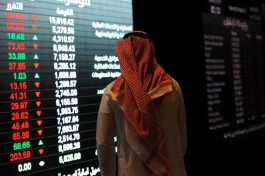
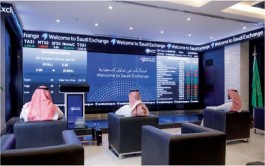







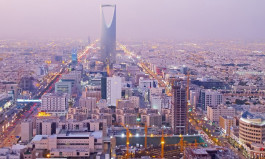



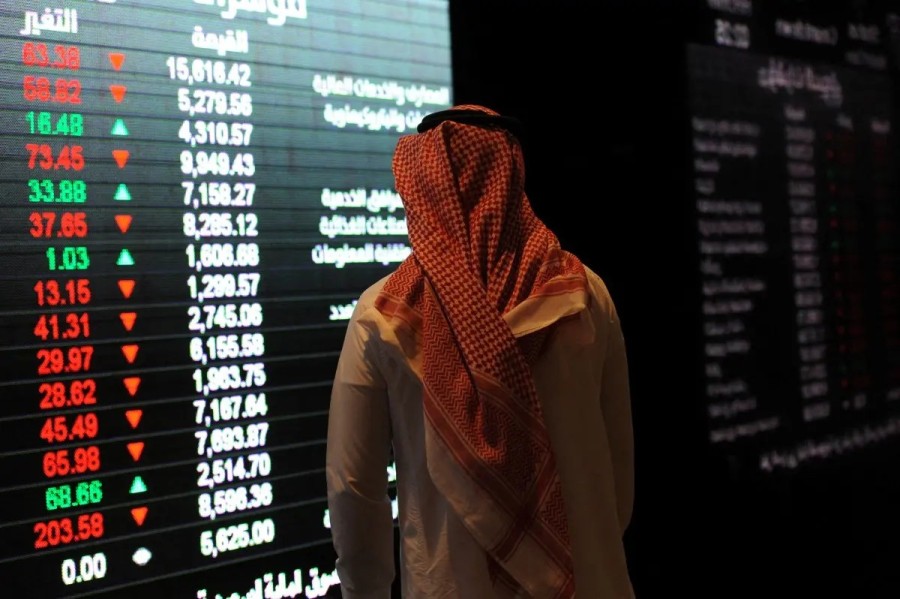


The Saudi stock market began trading on the first session of 2026 with an increase, benefiting from the optimism prevailing among analysts at the start of the new year, thanks to factors including attractive valuation levels, after the general index suffered its biggest annual loss in ten years in 2025.
Mary Salem, a financial analyst at Al Sharq, believes that current market valuations have become fair, which will contribute to a noticeable shift in traders' behavior to become more linked to the fundamental factors of companies rather than relying on speculation.
She added: There are many expected catalysts during the current year, such as the financial results of companies, increased foreign liquidity flows, and supportive policies from regulatory authorities, but they all need to work together to achieve the desired impact.
Bank stocks rise
The Tadawul All Share Index (TASI) opened Thursday's session up 0.3% at 10,521 points, supported by gains in banking sector stocks. Leading stocks such as Al Rajhi Bank, National Commercial Bank, ACWA Power, and SABIC all rose, while Saudi Aramco bucked the trend.
Saad Al-Thaqfan, a board member of the Saudi Economic Association, says that experts expect the Tadawul All Share Index (TASI) to recover significantly this year to offset the losses it incurred in 2025.
Al-Thaqfan pointed out, during an interview with Al-Sharq, that the expected continuation of monetary easing in the new year will not have a significant impact on Saudi banks due to the continued strong demand for loans to finance projects, which will maintain profit margins.
He also predicted that the market would benefit this year from the study on lifting restrictions on foreign ownership of stocks, along with expectations of continued non-oil growth because it is based on a long-term strategy through which the Kingdom seeks to enhance economic diversification.
Salem believes that the continued growth of non-oil sectors will provide opportunities for expansion in companies in sectors such as tourism, hospitality, logistics, financial services and renewable energy.
The increase in diesel prices has no impact
In other news, Saudi Aramco announced on Wednesday a 7.8% increase in diesel prices as part of its periodic price review. Al-Thaqfan stated that he does not expect this increase to significantly impact the profits of companies that rely on diesel.
He added: The percentage is very limited compared to the past three years. We haven't seen it burden companies or impact inflation in the past. I don't think it will affect company profits.