

























Bank of America analysts believe that the fragile peace agreement linked to the war with Iran has given the global economy some relief by lowering expectations for energy prices and inflation, but it will not completely erase the impact of the inflationary shock that has hit markets since the outbreak of the war.
The bank raised its forecast for global economic growth to 3.2% this year and 3.5% in 2027, compared with its previous estimates of 3.1% and 3.4% respectively, driven by a strong Asian export cycle linked to artificial intelligence, and some expected improvement in advanced economies as energy prices decline.
But improvements in growth and inflation figures do not mean the economic landscape has returned to its pre-war state. The bank's analysts wrote in their mid-year report that the damage has already been done, adding that a return of energy prices to pre-war levels will not be enough to fully reverse the shock.
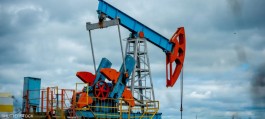
The bank's commodities team lowered its forecast for the average price of Brent crude to $72 per barrel in the second half of 2026 and $65 in 2027, barring any further escalation. This contributed to the bank's downward revision of its global inflation forecast to 3% this year, then 2.4% in 2027 and 2.5% in 2028.
However, the report argues that a decline in overall inflation will not be sufficient to trigger a new round of monetary easing. Bank of America now expects the US Federal Reserve to raise interest rates by 75 basis points this year, starting in September, as inflation dynamics in the United States deteriorate and labor market risks subside.
Two and a half tests for the global economy
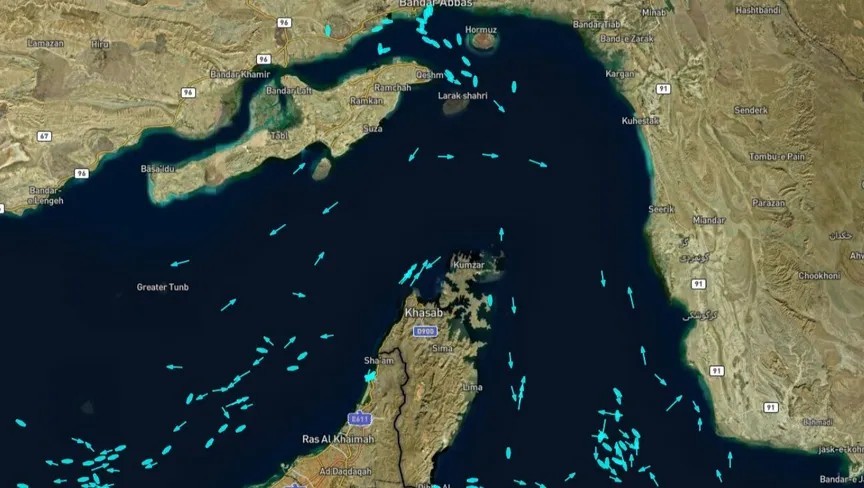
The bank believes the global economy now faces two and a half tests. The first is the stability of the Middle East energy system, as the agreement is temporary and fragile by nature, while markets appear to have priced in a near-complete return to normal energy flows. Any sudden escalation, coupled with low oil inventories, could accelerate price increases and reignite supply chain disruptions.
The second test is the possibility of a faster or more turbulent global tightening than anticipated, driven by a more restrictive policy from the Federal Reserve amid a strong US economy and persistently high inflation despite lower energy prices. The report warned that markets bolstered by easy liquidity and the AI boom could become a vulnerability if asset prices experience a sharp correction.
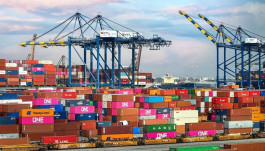
Half the test concerns China and the technology boom in Asia. The Chinese economy has demonstrated a remarkable ability to absorb energy and trade shocks, but domestic demand remains weak, while China relies heavily on exporting its excess production capacity. The question, according to the bank, is to what extent the world can absorb this surplus without new trade and geopolitical tensions.
Emerging Asia remains the bank's key strength, thanks to exports related to artificial intelligence, semiconductors, and technology. In contrast, Europe remains the weakest link, having borne the brunt of the energy shock, although lower oil and gas prices have reduced projected losses from earlier fears.
In the United States, the bank anticipates growth in the low range above 2%, supported by lower gasoline prices and continued capital spending related to artificial intelligence. However, it believes that the strength of the labor market and persistent inflationary pressures make raising interest rates, rather than lowering them, the more likely path for the remainder of the year.