





















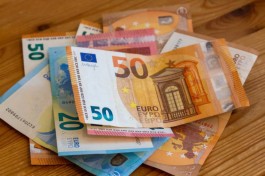








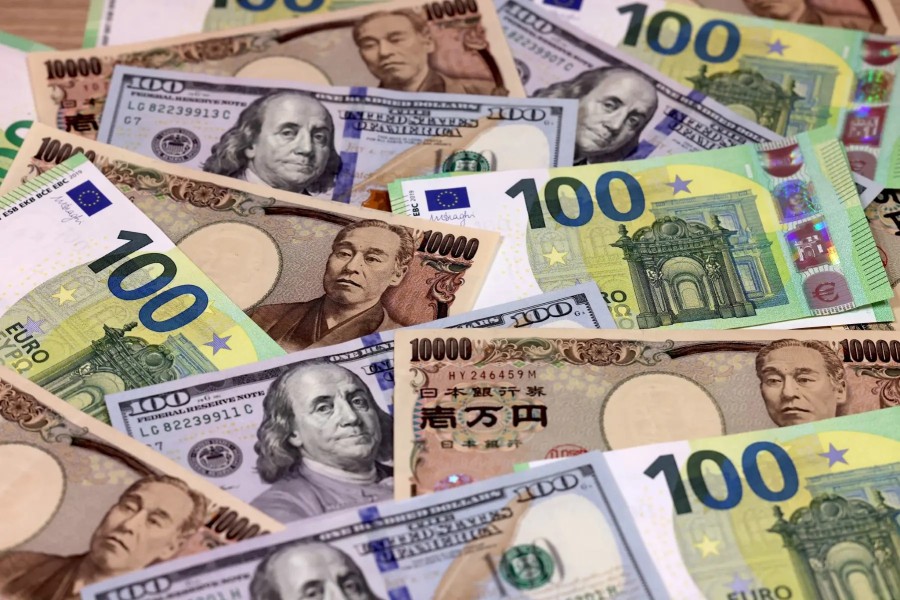


The euro fell in the European market on Monday against a basket of global currencies, giving up its highest level in two weeks against the US dollar, and is on its way to incurring its first loss in the last three days, due to profit-taking and corrective activity, amid an atmosphere of caution and anticipation dominating global markets, awaiting the outcome of the ongoing peace negotiations between the United States and Iran.
Following media reports and a rise in global oil prices, the likelihood of the European Central Bank raising interest rates at its June meeting has increased. To reassess these expectations, investors are awaiting the release of key eurozone inflation data for May on Tuesday.
Price overview
The euro fell against the dollar by about 0.15% to $1.1642, from today's opening price of $1.1658, and recorded a high of $1.1659.
The euro ended Friday's trading up about 0.1% against the dollar, its second consecutive daily gain, and hit a two-week high of $1.1686, amid easing military tensions between the United States and Iran in the Strait of Hormuz.
Over the course of May, the euro lost 0.65% against the dollar, its third monthly loss in the last four months, due to risk aversion and rising US Treasury yields.
US dollar
The dollar index rose 0.15% on Monday, recovering from a two-week low, reflecting the rise of the US currency against a basket of major and minor currencies.
This rise comes amid a state of caution prevailing in the markets, with investors shunning risk while awaiting the outcome of ongoing negotiations between the United States and Iran regarding ending the war and reopening the Strait of Hormuz, one of the most vital corridors for global energy trade.
global oil prices
Oil prices jumped more than 2% on Monday, beginning to recover from their lowest levels in five weeks, as Israel expanded its offensive in Lebanon, diminishing hopes for a ceasefire in the Middle East.
Developments in the Iranian war
The United States and Iran remain without an agreement to end the war, after Trump stated that he is in no hurry.
The US president returned the draft of the proposed agreement with Iran to include stricter conditions related to the nuclear issue, which led to the extension of negotiations for several more days.
Donald Trump said on Friday that he would make a decision soon on the proposed agreement to extend the ceasefire with Iran.
The mechanism for lifting the freeze on Iranian assets frozen abroad also stands out as one of the most complex points of contention between Washington and Tehran.
Iranian Foreign Minister Abbas Araqchi confirmed that the exchange of messages with Washington continues, noting that the judgment on the talks depends on their final results and ensuring the rights of the Iranian people.
European interest rate
Sources told Reuters that the European Central Bank is very likely to raise interest rates in June, given inflation expectations that are heading towards an undesirable scenario.
With the recovery in global oil prices, the money market's pricing of the likelihood of the European Central Bank raising European interest rates by about 25 basis points next June has increased from 55% to 65%.
In order to reprice those probabilities, investors are awaiting the release of key Eurozone inflation data for May on Tuesday.