






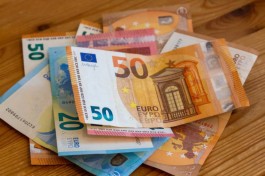




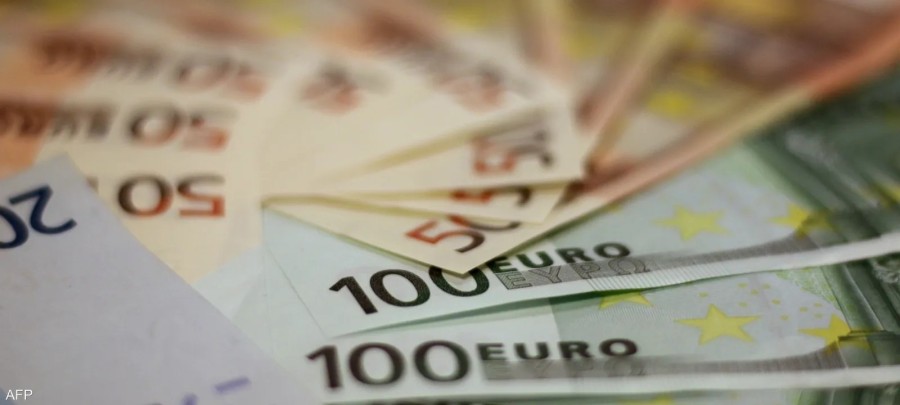

The euro fell in the European market on Monday against a basket of global currencies, continuing its losses for the third consecutive day against the US dollar, moving away from its highest level in two months, as corrections and profit-taking continued.
In addition to renewed purchases of the US dollar as the best alternative investment, amid escalating tensions between the United States and Iran over control of the Strait of Hormuz, Tehran continues to refuse to participate in a new round of negotiations scheduled to be held in Pakistan later today.
The current rise in global oil prices increases indicators of growing inflationary pressures on monetary policymakers at the European Central Bank, and strengthens the likelihood of raising European interest rates this year.
Price overview
Euro exchange rate today: The euro fell against the dollar by 0.3% to ($1.1728), from today’s opening price of ($1.1762), and recorded a high of ($1.1763).
The euro ended Friday's trading down 0.15% against the dollar, its second consecutive daily loss, due to profit-taking and corrective moves from a two-month high of $1.1849.
The euro gained 0.35% against the dollar last week, its third consecutive weekly gain, due to the Iranian trade war truce and hopes for a peace agreement between the United States and Iran.
US dollar
The dollar index rose 0.15% on Monday, extending its gains for the third consecutive session and hitting its highest level in nearly a week, reflecting the continued rise in the US currency against a basket of global currencies.
This rise comes amid renewed buying of the US dollar as the best alternative investment, in light of escalating tensions between the United States and Iran, and the diminishing prospects for a peace agreement in the Middle East.
Sharu Chanana, chief investment strategist at Saxo, said: “The weekend escalation has revived the geopolitical risk premium, just as markets began to assess the gains from peace.”
Developments in the Iranian war
The Iranian navy announced the re-closure of the Strait of Hormuz starting Saturday afternoon until the US embargo on Iranian ships is lifted.
US President Donald Trump said that the US Navy intercepted the Iranian-flagged cargo ship Tosca in the Gulf of Oman.
Tehran considered the attack on the ship an act of maritime piracy and a flagrant violation of the ceasefire agreement, and vowed to respond to this escalation.
As the Pakistani capital Islamabad prepares to host a second round of peace talks later today, Iran has so far refused to participate in that round.
Several international and regional parties are pressuring Tehran to participate in peace negotiations before the two-week ceasefire agreement expires tomorrow, Tuesday.
global oil prices
Global oil prices rose by more than 5% on Monday, in a strong recovery from a four-week low, amid renewed concerns about supply disruptions from the Arabian Gulf region, especially after the Strait of Hormuz was closed again to oil tankers.
There is no doubt that rising global oil prices are renewing fears of accelerating inflation, which could prompt global central banks to raise interest rates in the near term, in a sharp departure from pre-war expectations of lowering or holding interest rates steady for a long period.
European interest rate
With the rise in global oil prices, the money market's pricing of the likelihood of the European Central Bank raising European interest rates by about 25 basis points in April has increased from 15% to 20%.
In order to reprice the above probabilities, investors are awaiting further economic data from the Eurozone on inflation, unemployment and wage levels.
European Central Bank President Lagarde said the bank is prepared to raise interest rates even if the expected rise in inflation is short-term.
Sources told Reuters that the European Central Bank is likely to begin discussing raising interest rates during its meeting this month.