























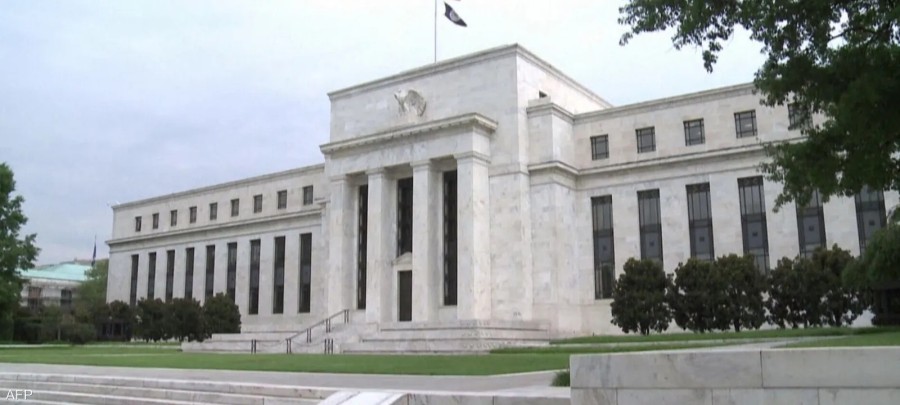


The Federal Reserve began its two-day meeting on Tuesday, with expectations that it would leave interest rates unchanged, amid weak economic data and an assessment of the implications of a war with Iran.
The committee responsible for setting interest rates faces the challenge of balancing high inflation with a weak labor market. A potential US-Israeli war with Iran is also expected to have repercussions for the economy, with rising oil prices and disruptions to supply chains.
Gasoline prices in the United States have risen by about 27 percent since the start of the war, according to the American Automobile Association index, amid fears of continued inflationary pressures globally.
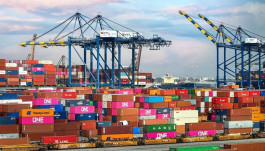
Analysts also warned of supply chain disruptions and oil shortages due to the war, which would lead to a decline in economic growth.
Central banks tend to ignore the inflationary effects of short-term price shocks, but it is unclear how long the war in Iran will last.
The data showed slowing economic growth and rising unemployment, prompting markets to reduce their expectations for an interest rate cut to only once this year.
The Federal Reserve cut interest rates three times last year, but they remain higher than the level demanded by President Donald Trump, who continues to criticize Fed Chairman Jerome Powell.
Powell's term is set to end in May, and Trump has nominated Kevin Warsh to succeed him, pending Senate approval.