















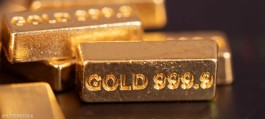












Gold fell as concerns about inflation mounted after peace talks between the United States and Iran ended without a resolution, and as America deepened plans to impose a blockade on the Strait of Hormuz, shocking global energy supplies.
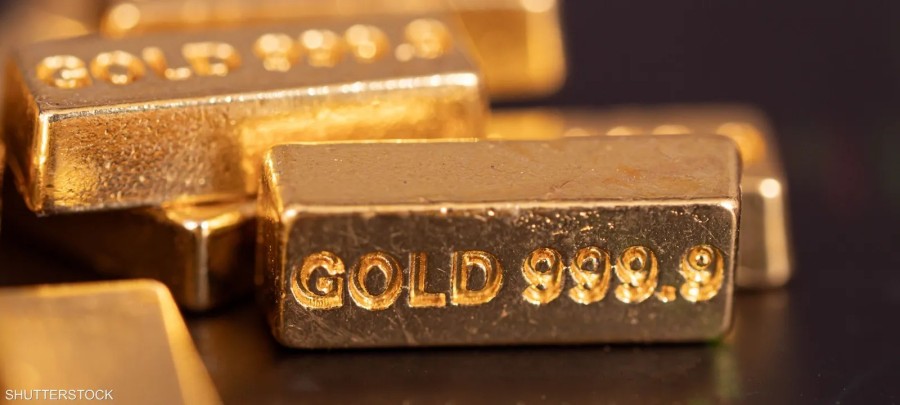
The precious metal fell as much as 2.2% to below $4,650 an ounce at the start of trading before paring its losses.
The U.S. military said it would begin enforcing the blockade at 10 a.m. Eastern Time on Monday, after weekend negotiations with Iran failed to secure an agreement to turn a fragile ceasefire into a lasting peace, following six weeks of war in the Middle East.
Oil and natural gas prices rose, with US President Donald Trump also saying that the United States would intercept any vessel that paid fees to Iran for safe passage through Hormuz, the narrow sea strait that connects the Arabian Gulf to global markets.
Before the war, one-fifth of the world's crude oil and liquefied natural gas passed through the strait.
Inflation puts pressure on gold and strengthens the dollar.
Paras Gupta, head of discretionary portfolio management in Asia at Union Bancaire Privé, said: “The weekend’s events clearly jeopardize the fragile ceasefire and are likely to prolong the conflict.”
He added that gold price movements were less dramatic than at the start of the war, although the real test would come when London woke up on Monday morning.
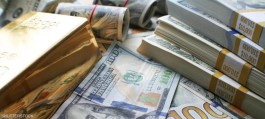
Stock futures fell, and the dollar index rose by as much as 0.5%, putting pressure on gold, which is priced in the US currency.
Rising energy prices have also increased inflationary risks, making it more likely that central banks will postpone interest rate cuts or raise them. This is negative for gold, which does not yield interest and benefits when borrowing costs are low.
In an early indication of the war's impact on the U.S. economy, inflation rose in March at its fastest pace in nearly four years, with a record increase in gasoline prices accounting for about three-quarters of the monthly rise, according to data released Friday by the Bureau of Labor Statistics.
The price of gold has fallen by about 11% since the conflict began in late February, as tight liquidity in the initial weeks prompted investors to sell the metal to cover losses in other markets. More recently, gold has recovered some of its losses as the focus has shifted to slowing economic growth, mitigating the risk of rising inflation.
Spot gold fell 0.6% to $4,723.55 an ounce at 10:01 a.m. Singapore time. Silver declined 2% to $74.36 an ounce. Platinum also fell, while palladium edged higher. The Bloomberg Dollar Index rose 0.3%.