















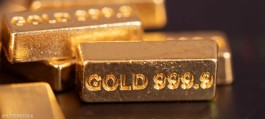











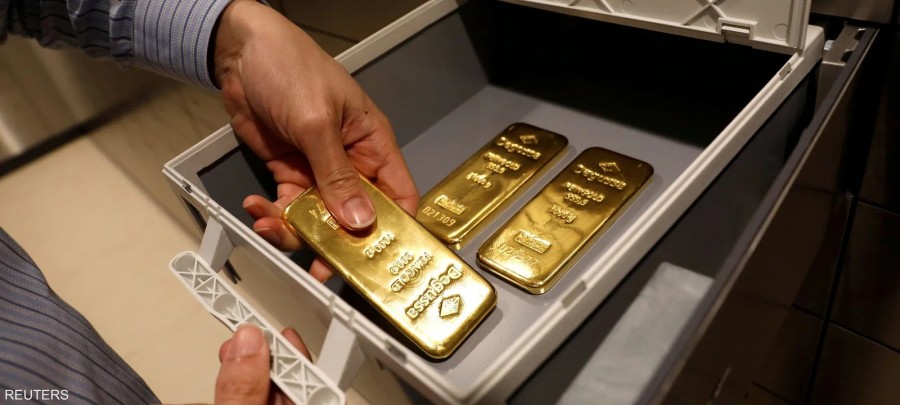


Gold fell for a second day after US inflation data weakened expectations of an interest rate cut, while the war in the Middle East pushed oil prices higher.
The precious metal fell by as much as 1% in early trading, after losing 0.3% in the previous session.
Although core inflation in the United States was moderate at the beginning of the year before the outbreak of the conflict, future concerns about inflation have reduced the likelihood that the Federal Reserve will cut borrowing costs.
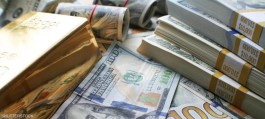
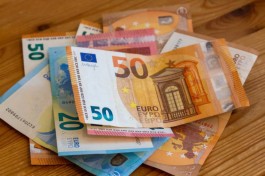
An index measuring the dollar's performance also rose by as much as 0.3%, while the European Union warned that its inflation rate could exceed 3% this year.
Hebei Chen, an analyst at Vantage Markets in Melbourne, said that the decline in gold looks more like a pause than a surrender.
She added that expectations of price pressures revived the strength of the dollar and put the prospects of near-term monetary easing by the Federal Reserve back on the books, temporarily leading to a decline in gold in a market that cannot, at the same time, accommodate more than one safe haven.
The war continues to support oil prices.
The war waged by the United States and Israel against Iran has entered its thirteenth day and continues to affect oil production and refining operations throughout the Middle East.
Brent crude jumped back above $100 a barrel on Thursday as fears of a prolonged conflict outweighed the impact of the largest emergency release of reserves by industrialized nations.
As part of this plan, the administration of US President Donald Trump intends to release 172 million barrels from the US Strategic Petroleum Reserve.
Besides facing the prospect of higher borrowing costs, which is a negative factor for gold that does not generate returns, the metal is also a source of liquidity that investors use to support other parts of their investment portfolios when needed.
Since the outbreak of the war, the amount of gold held in exchange-traded funds has declined, despite inflows on Tuesday, after holdings fell last week at the fastest pace in more than two years.
The safe haven still exists
Nevertheless, gold is still up about a fifth of its value since the beginning of the year, supported by its role as a safe haven in times of geopolitical turmoil, although trading has been volatile and the pace of the rise has slowed since the outbreak of war on February 28.
Chen said that safe-haven trading is not over, it is just catching its breath.
The spot price of gold fell 0.5% to $5,151.82 an ounce by 12:10 pm in Singapore.
Silver also fell 1% to $84.89, while platinum declined and palladium rose. In contrast, the Bloomberg Dollar Spot Index rose 0.2%, matching Wednesday's gains.