


























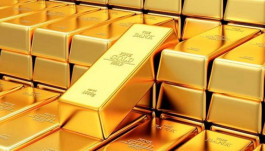



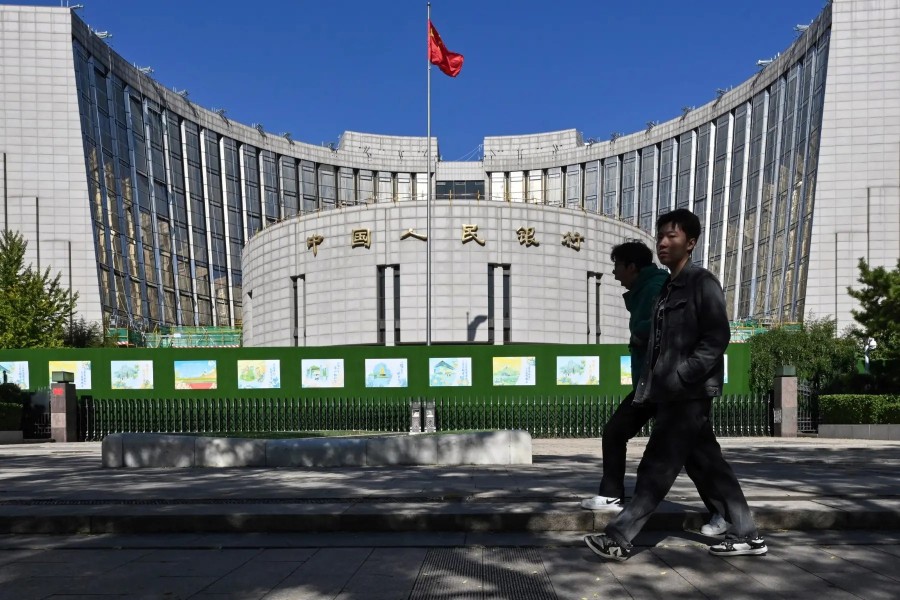


China’s central bank raised its gold reserves for the 19th straight month in May, continuing a prolonged buying spree even as the precious metal faced pressure, Bloomberg reported on Sunday.
Data released by the People's Bank of China showed that its gold reserves rose by 320,000 troy ounces last month. This marks the longest continuous streak of gold purchases since at least 2015, when the central bank began providing more regular updates on its reserves.
This continued accumulation came despite the difficult environment that the price of gold is going through, as the metal declined in May, recording its third consecutive monthly loss, after reaching a record high in late January.
Gold is facing increasing pressure due to persistent inflation concerns and expectations that interest rates may remain high for an extended period. Higher bond yields tend to diminish the appeal of non-yielding assets like gold.
Demand from central banks has remained one of the strongest sources of support for the precious metal in recent years, as purchases by monetary authorities around the world have helped offset periods of weak investor demand and market volatility.
Investors are closely watching China's efforts to diversify its reserves, as the world's second-largest economy seeks to reduce its reliance on traditional reserve assets and boost its holdings of alternative stores of value.
The latest increase in reserves indicates that Beijing remains committed to expanding its gold reserves despite recent price weakness and a more challenging macroeconomic landscape.
Analysts pointed out that geopolitical uncertainty and reserve diversification trends are key factors supporting continued demand from central banks, and these issues have become even more important as countries reassess their reserve management strategies amid escalating global tensions.
Goldman Sachs Inc. reported last month that central bank purchases could accelerate further, citing geopolitical developments that could bolster governments' efforts to diversify their reserve assets.
Recent figures confirm the continued role of official sector purchases in the global gold market, even as investors balance the impact of inflation, interest rates and economic uncertainty on the price of the precious metal.