




































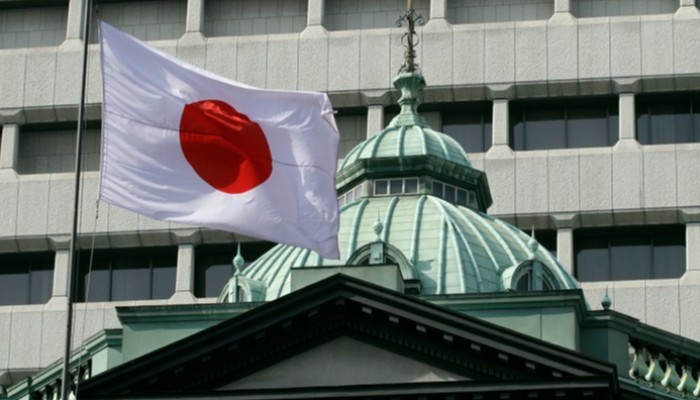


The bet is growing that the Bank of Japan will raise interest rates at its upcoming meeting in June, after Daiwa Securities considered the bank governor Kazuo Ueda's remarks to be an implicit signal of an impending tightening of monetary policy.
Daiwa explained that the potential interest rate hike does not reflect excessive overheating in the Japanese economy, but rather comes within the framework of the central bank's efforts to avoid delaying action in the face of inflationary pressures, warning that postponing the move could impose larger interest rate increases later, causing additional pressure on financial markets.
The institution believes that the Bank of Japan reassessed the risks of tensions in the Middle East compared to April, given the continued growth in wages, improved corporate profits, and the weak impact of supply chain disruptions, which reinforced its conviction that the economy could withstand high energy prices.
She also noted that the central bank now views rising oil prices as a factor supporting core inflation through the transmission of costs to consumers, rather than just a temporary price shock.
In the bond market, Daiwa predicted that raising interest rates would flatten the yield curve if markets were convinced that the Bank of Japan had inflation risks under control, while long-term bond yields could rise if investors considered the response to be too late or insufficient.
As for the Japanese yen, the institution suggested that the impact of any single interest rate hike would be limited, noting that the currency's weakness is linked to broader structural factors, including interest rate differentials with the United States and global capital flows, meaning that stabilizing the yen requires a sustained path of monetary tightening, not just a single step.