



























Oil prices fell after US President Donald Trump announced an agreement with Iran to end the war in the Middle East, which could allow the reopening of the Strait of Hormuz.
Brent crude fell by about 4% to below $84 a barrel, after closing last week at its lowest level in more than three months, while West Texas Intermediate crude was near $81. The US president said in a social media post that he was authorizing the opening of the Strait of Hormuz without transit fees, as well as lifting the blockade on Iranian ports.
Donald Trump said: Ships of the world, start your engines! He added: Let the oil flow!
The agreement between America and Iran was signed in Switzerland.
Iranian Deputy Foreign Minister Kazem Gharibabadi confirmed that an agreement had been reached, saying the text would be published after the signing ceremony in Switzerland. US Vice President J.D. Vance said he definitely intended to attend the ceremony, and that Trump might also attend.
Global energy markets have been held hostage by the conflict since it erupted in late February, when the United States and Israel attacked Iran to curb its nuclear program. Tehran's response included strikes across the Persian Gulf and the closure of the Strait of Hormuz, which in peacetime carries roughly a fifth of the world's oil flows. Separately, US forces imposed their own blockade on ships linked to Iran.
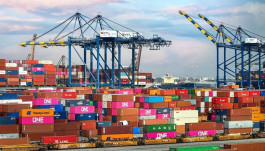
A breakthrough is expected for the energy and shipping sectors.
After oil prices surged in the initial phase of the conflict, they relinquished those gains in recent weeks due to repeated indications that Washington and Tehran were close to reaching an agreement, as well as signs of a resumption of some crude flows through the Strait. Additionally, developed economies tapped into emergency crude reserves, and some major importers, notably China, reduced their imports.
While the agreement will represent a major breakthrough for energy producers in the Arabian Gulf, the global shipping sector, and consumers, several obstacles remain before traffic through the vital Strait of Hormuz can fully resume. These include the removal of anti-ship mines and clarity regarding Tehran's willingness to exert greater control over transiting vessels.
Landmine hazards
Chris Weston, head of research at Pepperstone Group, said: “We still need to understand what the agreement means for the market. Even with the Strait expected to reopen on Friday, there could still be pitfalls, and insurers might charge high rates.”
However, in a sign of changing market dynamics, the spot price differential for Brent crude—the difference between the two nearest contracts—narrowed to around $1 per barrel in the backwardation structure. While this remains a bullish pattern, with the nearest contract priced higher than the next, it has decreased from a gap of over $12 in April.
Anticipation of the return of halted oil production
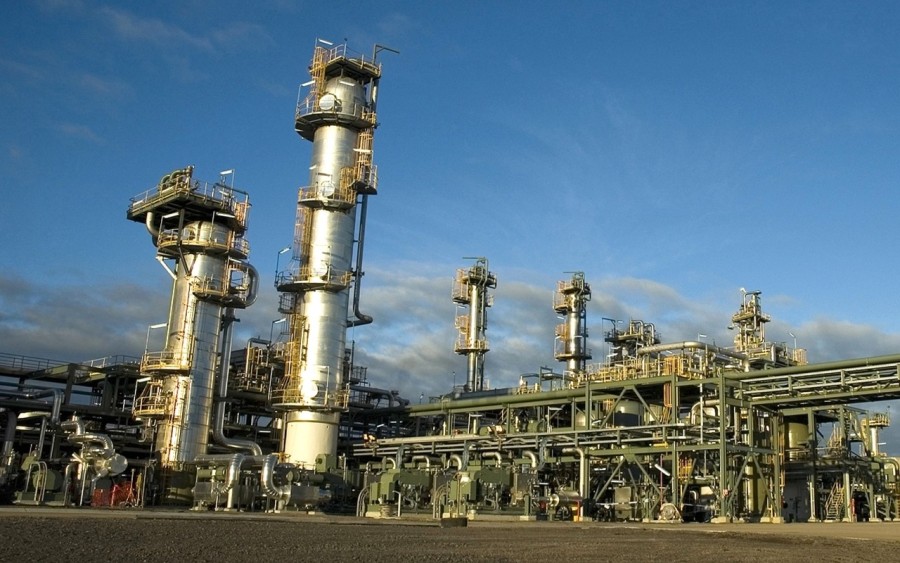
Traders will be watching for signs of a possible resumption of crude production from the Arabian Gulf fields that were shut down during the conflict. Producers have warned that restoring full supplies could take months, given the technical and geological challenges, as well as the damage to infrastructure.
In addition, strategic and commercial stocks of oil and petroleum products will need to be replenished after being drawn from at a record pace.
Weston of Pepperstone said: The structural gaps left by this war will take time to fill.
European natural gas futures also fell, declining by as much as 5.8%.