





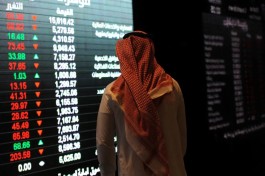
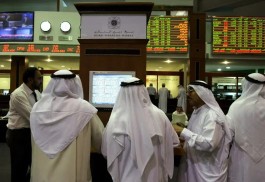
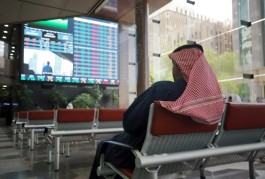
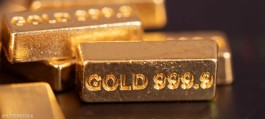


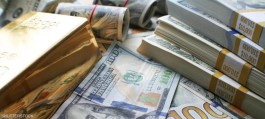



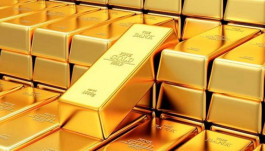

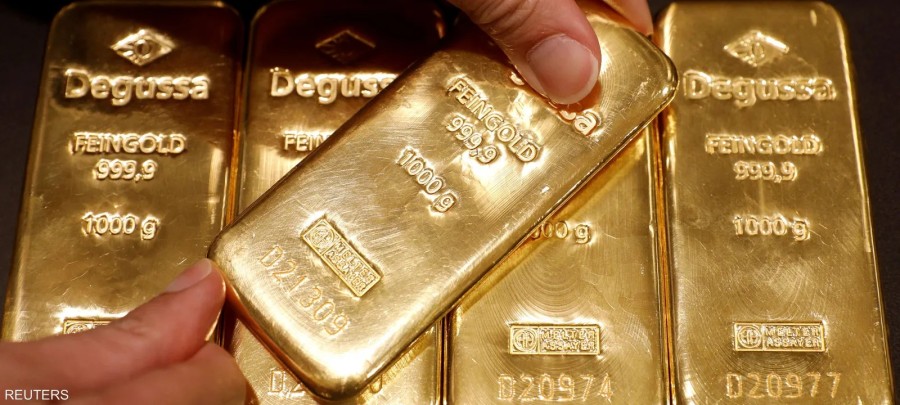


Gold prices rose after the war in the Middle East disrupted markets and prompted investors to turn to safer assets.
The precious metal rose more than 2% to around $5,390 an ounce in early trading, after having climbed more than 3% the previous week as US forces massed in the region.
The conflict escalated over the weekend after the United States and Israel launched attacks on Iran, and Tehran retaliated with waves of missile strikes targeting locations in several countries. Iranian Supreme Leader Ali Khamenei was killed on the first day of the strikes.
Geopolitical tensions are fueling the upward trend.
Broader geopolitical tensions, coupled with the turmoil in international relations under US President Donald Trump, were key factors in gold's prolonged rally.
Prices also benefited from increased central bank purchases and a broader shift by investors away from sovereign bonds and currencies.
The metal has risen by about a quarter since the beginning of the year, despite its sharp decline from a record high of over $5,595 an ounce at the end of January.
Seventh month of gains
Gold recorded its seventh consecutive monthly gain in February, its longest streak since 1973.
Even before the war with Iran, Trump had adopted an increasingly hawkish foreign policy. US forces captured then-Venezuelan President Nicolás Maduro in January, and the administration threatened to annex Greenland.
Ahmed Assiri, a strategist at Pepperstone Group Ltd., said that the rise in gold on Monday was an early indication that investors were turning to safe-haven assets amid escalating regional uncertainty.
Oil and dollar volatility as the confrontation widens
The United States and Israel launched strikes across Iran on Saturday, calling on the population to rise up against the regime. Iranian retaliatory attacks hit targets in Israel, as well as US bases and facilities in countries including Qatar, the United Arab Emirates, Kuwait, and Bahrain.
Oil jumped at its fastest pace in four years, with the de facto closure of the Strait of Hormuz throwing the global crude market into turmoil, while the dollar also rose.
Hong Hao, chief investment officer at Lotus Asset Management, said precious metals, oil and commodities are rising despite the dollar's recovery, even though they are priced in US dollars.
He added: This proves that these tangible assets are the real hard currency during this exceptional period.
The Bloomberg Dollar Spot Index, which measures the performance of the US currency, rose 0.4% in early trading on Monday.
Gold rose 1.9% to $5,380.91 an ounce by 7:40 a.m. in Singapore. Silver also climbed 2.4% to $96.04. Platinum and palladium also gained.