























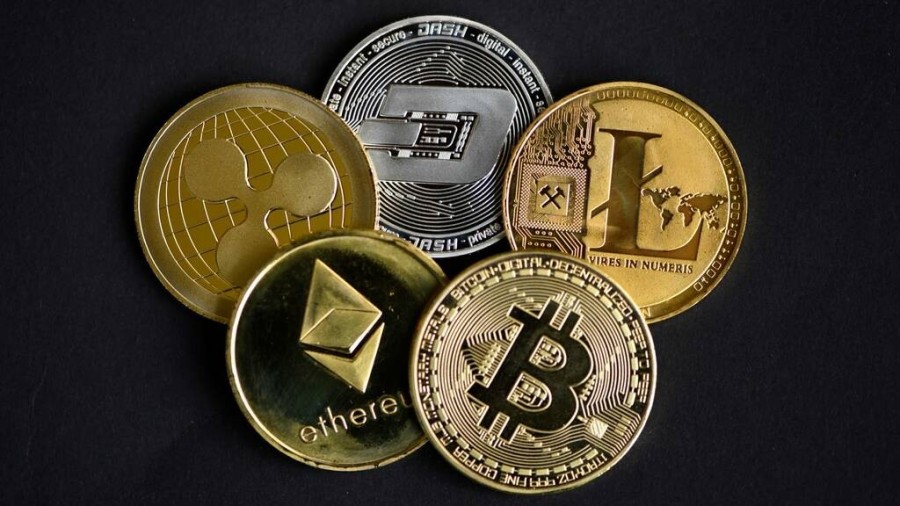


Bitcoin fell below $65,000 in Asian trading on Monday, slipping to levels last seen in early February when prices briefly dipped near $60,000, as large holders ramped up selling amid a general risk-averse mood over U.S. trade policy.
The world's largest cryptocurrency fell 4.6% to $64,882.1 at 06:37 (Saudi Arabia time), after slipping to $64,384.2 as its lowest level in the past 24 hours.
On-chain data from CryptoQuant shows a rise in so-called whale activity, with the proportion of exchange whales increasing as large holders move coins to trading platforms, which is usually an indicator of selling.
Whale sellers – entities that own large amounts of Bitcoin, often early adopters, institutional investors, or cryptocurrency funds – can exert a significant influence on short-term price movements when they transfer their holdings to exchanges.
Sentiment was affected by developments in US trade policy. The US Supreme Court last week struck down elements of President Donald Trump's previous tariff program.
Trump later announced new global tariffs of 10% on imports for 150 days and then raised the rate to 15%, the maximum allowed under the relevant law, alarming financial markets.
The escalation of tariffs impacted stocks and other risk-sensitive assets in Asian trading on Monday. Investors were concerned that higher trade barriers could slow global growth and weaken liquidity conditions—factors that typically put pressure on cryptocurrencies.
Other major cryptocurrencies also slipped sharply, with both Ethereum and XRP falling by approximately 6%.
US economic data released on Friday added to the cautious mood. Gross domestic product expanded at an annualized rate of 1.4% in the fourth quarter, confirming slowing growth, while the personal consumption expenditures price index remained elevated at 2.9% year-on-year.
Persistent inflation, coupled with slowing growth, has complicated expectations of interest rate cuts by the Federal Reserve, dampening expectations of imminent monetary easing this year.