























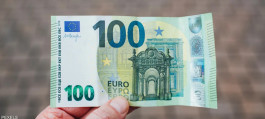
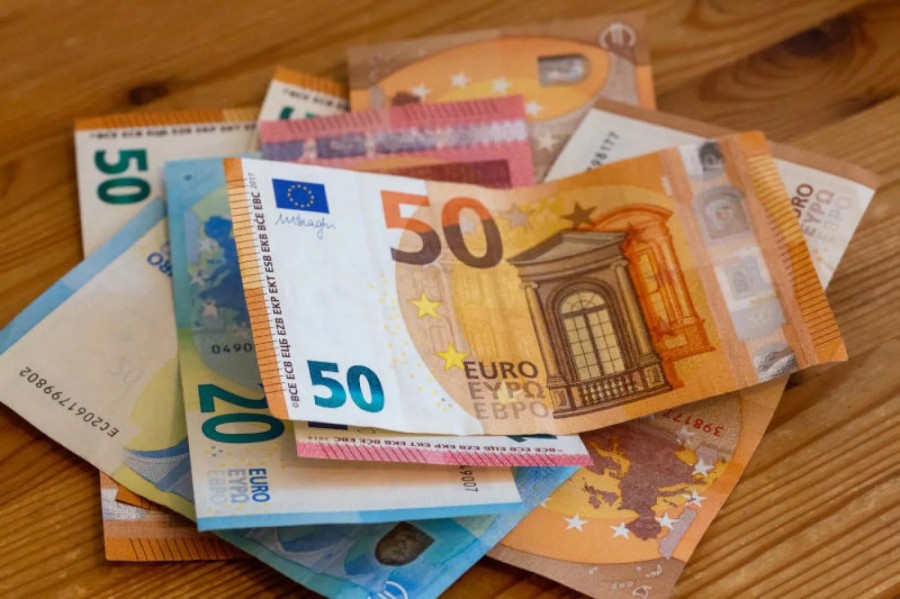


The euro fell in European trading on Monday against a basket of global currencies, moving away from its highest level in three weeks against the US dollar, as investors focused on buying the US currency as the best alternative investment due to stalled negotiations between the United States and Iran and the possibility of renewed military confrontations in the Middle East.
Following the rise in global oil prices, the likelihood of a European interest rate hike in June has increased. Traders are now awaiting further economic data from the Eurozone to reassess this probability.
Price overview
The euro fell against the dollar by 0.35% to a level of ($1.1745), from Friday’s closing price of ($1.1784), and recorded a high level during today’s trading at ($1.1772).
The euro ended Friday's trading session up 0.5% against the dollar, resuming gains that had paused the previous day as part of a correction and profit-taking from a three-week high of $1.1797.
The euro gained 0.55% against the dollar last week, its second consecutive weekly gain, based on hopes of a lasting peace agreement between the United States and Iran.
US dollar
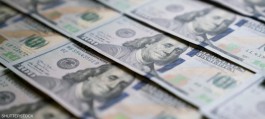
The dollar index rose by about 0.3% on Monday, resuming gains that had stalled on Friday, reflecting the rise in the US currency against a basket of global currencies.
This rise is due to purchases of the US dollar as a safe haven, because of fears of renewed military confrontations between the United States and Iran, especially after Tehran rejected the American peace proposal.
Opinions and analyses
Chris Weston, head of research at Pepperstone Group Ltd. in Melbourne, said: We begin the new week's trading, as has become the recent trend, influenced by geopolitical events.
Strategic analysts at Barclays Bank said: The dollar remained under pressure during the past week, with the market heavily focused on the prospects of a gradual reopening of the Strait of Hormuz.
US-Iranian negotiations falter
Through the Truth Social platform, US President Donald Trump announced his complete rejection of the Iranian response that was delivered through the Pakistani mediator, saying: “I just read the response of the so-called representatives of Iran… I don’t like it… It’s totally unacceptable.”
The Iranian proposal included ending the war on all fronts, including Lebanon, lifting the American naval blockade on Iranian ports, allowing Iranian management of the Strait of Hormuz, and receiving war reparations, in exchange for starting subsequent negotiations on the nuclear issue.
Iranian President Masoud Pezeshkian said defiantly, stressing that his country would not bow its head to the enemy, and that entering into negotiations did not mean surrendering to Trump's greed.
Israeli Prime Minister Benjamin Netanyahu stated in a television interview that the war is still ongoing because there is more work to be done to end it.
global oil prices
Global oil prices jumped more than 5% on Monday at the start of the week, heading towards their highest level in several weeks, due to concerns about the continued closure of the Strait of Hormuz and disruption to oil supplies.
Undoubtedly, rising global oil prices are renewing fears of accelerating inflation, which could prompt global central banks to raise interest rates in the near term, in a sharp departure from pre-war expectations of lowering or keeping interest rates steady for a long period.
European interest rate
With rising global oil prices, the money market's pricing in the likelihood of the European Central Bank raising European interest rates by about 25 basis points next June has increased from 45% to 50%.
In order to reprice the above probabilities, investors are awaiting further economic data from the Eurozone regarding inflation, unemployment, and wage levels.