































Oil prices stabilized as traders questioned the effectiveness of US President Donald Trump's plan for the United States to direct neutral ships through the Strait of Hormuz, amid reports of an attack on a tanker in the waterway.
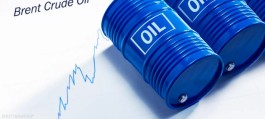
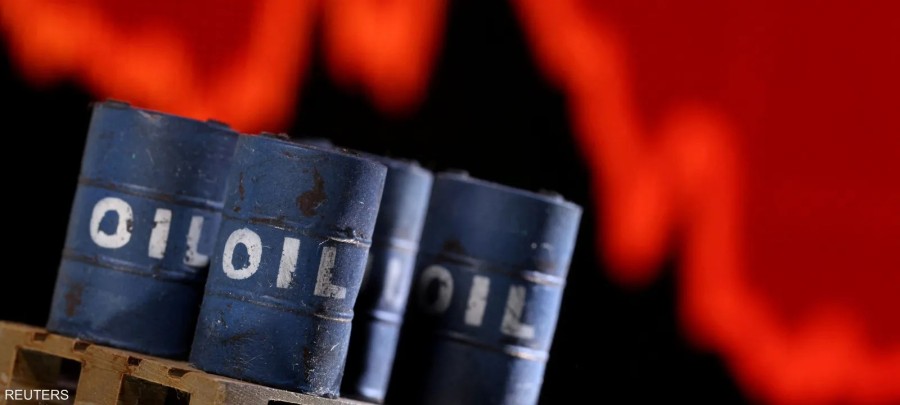
Brent crude was little changed above $108 a barrel, after falling as much as 2.4% at the open, while West Texas Intermediate was near $102.
According to Trump, the American move, starting on Monday, was supposed to allow ships stranded due to the war with Iran to pass through the strait.
Tanker accident and security uncertainty
The United Kingdom Maritime Trade Operations (UKMTO) reported that a tanker was struck by projectiles 78 nautical miles north of Fujairah in the United Arab Emirates. The vessel's identity was not identified, but the crew was reported to be safe.
Trump said in a social media post: We will use our best efforts to safely remove their ships and crews from the Strait. He added: In all cases, they said they will not return until the area is safe for navigation and other purposes.
For its part, the US Central Command announced on Sunday that it would provide military support, including guided-missile destroyers, aircraft and drones, although the Wall Street Journal reported that the plan does not currently include direct naval escort.
Harris Khurshid, chief investment officer at Carobar Capital, said: “Trump’s fatigue is becoming more and more apparent. I don’t think the market is taking it too seriously. We saw an initial pullback, but its lack of continuation suggests that investors aren’t treating it as a real game-changer.”
Prices are driven by the double blockade
Crude oil prices have risen sharply this year, reaching their highest levels since 2022 last week, as markets are disrupted by conflict, threatening to slow economic growth and raise inflation.
This rise was supported by a double blockade of the vital strait, as Tehran prevents ships from leaving the Gulf waters, while the United States intercepts ships heading to or leaving Iranian ports.
In his remarks, Trump hinted at the possibility of a military response if Iran attempted to block the ships' passage. He also indicated that there were very positive discussions with Tehran that could lead to a very positive outcome, without providing further details.
The US measures aim to strangle the lifeblood of the Iranian economy by forcing the country to shut down some of its oil wells, with Treasury Secretary Scott Bisent saying over the weekend that the well closures could begin next week as storage facilities fill up.
OPEC+ increases production
The war broke out in late February following a US and Israeli attack on Iran. Washington presented it as an attempt to prevent Tehran from posing a threat due to its nuclear program.
In early March, the US president said the United States would provide a naval escort to ensure the safe passage of oil tankers.
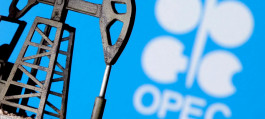
Over the weekend, OPEC+, in its first meeting since the UAE's withdrawal, agreed to increase production quotas for June in an attempt to send a message that business is continuing as normal. Meanwhile, Abu Dhabi unveiled its growth plans.
In the latest trading, Brent crude futures for July settlement rose 0.3% to $108.46 a barrel by 12:00 pm Singapore time, while West Texas Intermediate crude futures for June delivery fell 0.1% to $101.89 a barrel.