




























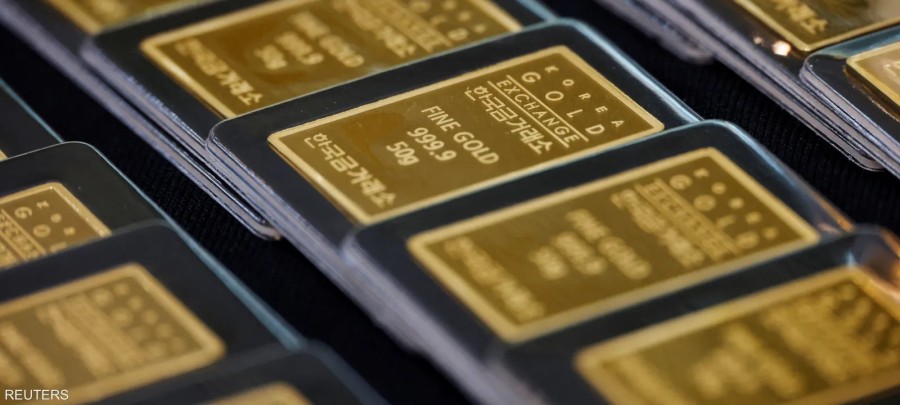


Gold prices fell on Monday, after hitting a two-week high, as the dollar rose slightly from its recent lows, while reduced expectations of a US Federal Reserve interest rate hike limited losses for the precious metal.
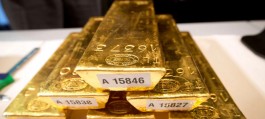
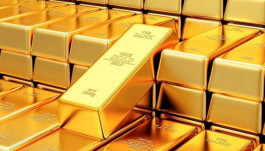
Gold fell 0.6% in spot trading to $4,148.10 an ounce, after earlier hitting its highest level since June 22.
In contrast, U.S. gold futures for August delivery rose 0.9% to $4,163.50 an ounce.
Tim Waterr, chief market analyst at KCM Trade, said gold is still facing pressure from the strength of the dollar.
He told Reuters that investors will be paying close attention to the minutes of the Federal Open Market Committee meeting due to be released this week, looking for clearer indications of the Fed's monetary policy path and whether committee members share Chairman Kevin Warsh's inclination towards tightening monetary policy, or whether there is a greater tendency towards easing.
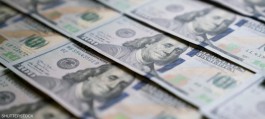
The dollar index rose 0.1%, making gold priced in US dollars more expensive for holders of other currencies.
Gold ended last week with gains of more than 2%, ending a four-week losing streak, after weaker-than-expected US jobs data boosted market bets on a slowing pace of monetary policy tightening.
Data released on Thursday showed a sharp slowdown in US job growth during June, along with downward revisions to the data from the previous two months, indicating a slowing labor market, which prompted markets to reduce their expectations for near-term interest rate hikes.
According to CME Group’s FedWatch tool, traders’ expectations for the US Federal Reserve to raise interest rates in September have fallen to around 55%, compared to more than 60% before the data was released.
Gold, which does not generate income, usually benefits from low interest rates, as the opportunity cost of holding it decreases.
In a research note, JPMorgan said that demand for gold from key sectors may be less strong than previously expected, setting a ceiling for the precious metal's price at $4,300 an ounce during the third quarter and $4,500 an ounce during the fourth quarter of the year.