
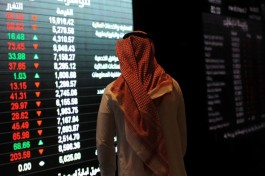
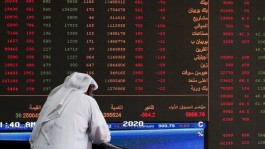
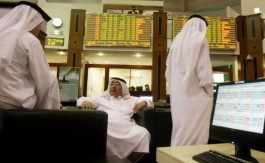

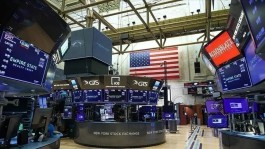


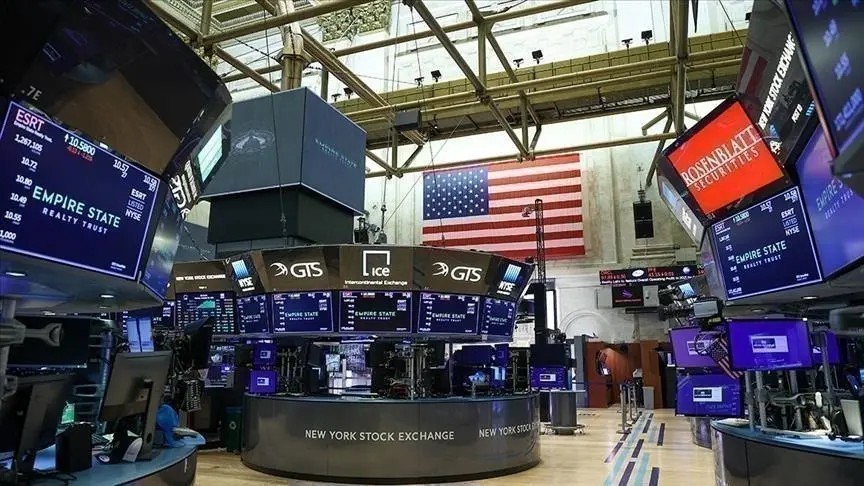

Global stocks rose, buoyed by bargain hunters, at the start of a week in which central bank governors and a packed economic data agenda will set the market's direction. Oil prices also climbed following weekend tensions in the Middle East.
S&P 500 futures rose 0.6%, after a shift away from this year's best-performing stocks pushed the main U.S. stock index to its worst weekly performance of the quarter. Nasdaq 100 futures climbed 0.9%.
Chinese stocks led a modest rally in Asia after the central bank set a lower-than-expected interest rate on its overnight liquidity facility. South Korean shares also recovered from earlier losses after Samsung Electronics and SK Hynix pledged significant investments at a government press conference highlighting the country's commitment to artificial intelligence. The South Korean Kospi closed down 0.2%, recovering from a 3.4% drop. The MSCI Asia Pacific index rose 0.3%, while the pan-European STOXX 600 index was flat.
Brent crude pares gains as dollar stabilizes
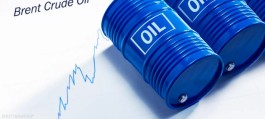
Brent crude pared earlier gains, rising 0.5% to $72.35 a barrel. The gains came after escalating tensions between the United States and Iran, which saw a supertanker targeted near the Strait of Hormuz. However, the two sides have since agreed to halt tit-for-tat attacks ahead of the resumption of peace talks.
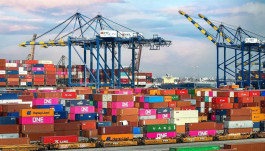
Tensions in the Middle East have escalated since Thursday, with Iran targeting a container ship, a vessel carrying Qatari oil, and military bases in Kuwait and Bahrain, prompting multiple retaliatory strikes by the United States.
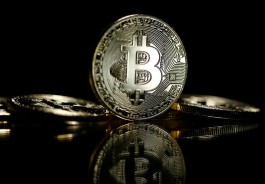
The US dollar was little changed. While spot gold fell 0.6% to $4,065 an ounce, Bitcoin rose 0.8% to $60,021. The yield on the benchmark 10-year US Treasury note held steady at 4.38%.
Markets are betting on containing the escalation.
Hopes for a lasting peace between the United States and Iran, and optimism about the technology trade, have put global stocks on track for their best quarter since 2020. While a strong first half is usually a good sign for the rest of the year, investors are grappling with a host of risks, from the robustness of the AI trade to the threat of rising interest rates, as well as accelerating government spending.
Shoji Hirakawa, chief global strategist at Tokai Tokyo Intelligence Lab, told Bloomberg: “The stock market seems to believe that President Donald Trump has no choice but to make concessions as the midterm elections approach.” He added: “Investors see the exchange of attacks between the United States and Iran as temporary and do not believe the situation will escalate into another war.”
Samsung Electronics and SK Group have announced major investment plans alongside policy initiatives. The two groups could invest more than $1.3 trillion over the next ten years, according to the Korea Economic Daily.
Sintra and American jobs on the front page
This week, traders will focus on the annual meeting of central bank governors in Sintra, Portugal, which will mark Federal Reserve Chairman Kevin Warsh's first public appearance outside the United States. Beyond signals regarding the path of interest rates, questions about financial stability, particularly those related to the rise of artificial intelligence, will be another topic of discussion.
Other key events include the release of the monthly US jobs report on Thursday, in a week that will also see a flurry of other labor market data released early each month. There is growing expectation that the resilience of the US economy and inflationary pressures could prompt the Federal Reserve to raise interest rates sooner than September.
While Warsh may back down from some of his hawkish rhetoric at Cintra and put pressure on the dollar, it is likely to gradually rise in the coming weeks due to the narrative of American exceptionalism, Commonwealth Bank of Australia strategists, including Joseph Capurso, wrote in a note to clients.
They said that a strong and growing labor market is a recipe for higher U.S. interest rates and a stronger U.S. dollar.
There may be other concerns as well. The Bank for International Settlements, in its annual report on Sunday, warned that a sharp correction in the AI-driven upsurge, inflation, and financial pressures are among the most worrying threats to global prosperity at the moment.
In its annual report published on Sunday, the Basel-based institution included these factors in a list of pressure points that require attention now, with underlying financial vulnerabilities that could amplify any shock.
Officials in Basel stated in the report: The global economy remains caught in a crossroads between progress and risk. Its resilience is facing increasing testing and pressure.
Andrea Gabiloni, global head of equities at KBC Securities, explained to Bloomberg that after the Federal Reserve maintained its hawkish interest rate stance earlier this month, market enthusiasm was expected to wane, but this doesn't appear to have happened. He added that this suggests the market still believes US exceptionalism will continue and that the rally will extend to other sectors of the market.