

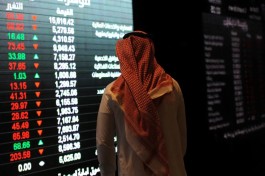



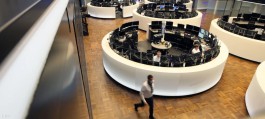






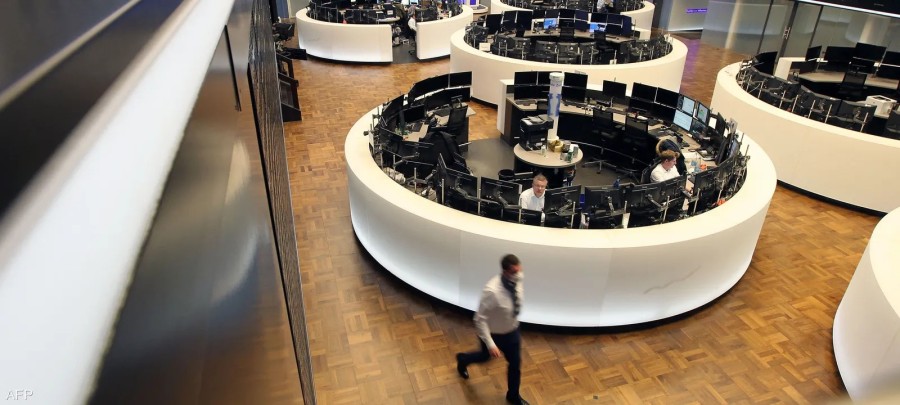

European stocks extended their sell-off on Tuesday, pushing continental indexes to their lowest levels in two weeks, following a sharp escalation in the Middle East military situation that sent shockwaves through global risk assets.
The pan-European Stoxx Europe 600 index fell 0.2%, marking its sixth consecutive session of losses and hitting its lowest level since August 5. If the losses persist until the close of trading, the index will have recorded its longest streak of consecutive daily declines since November 2025.
Germany’s DAX index fell by 0.4%, while France’s CAC 40 and Britain’s FTSE 100 remained virtually unchanged.
Iran shifts to offensive posture after Washington refuses to extend ceasefire
Geopolitical tensions reached a new peak on Tuesday, with Reuters reporting that Tehran had declared a shift to a full-scale offensive military posture, following the complete collapse of diplomatic negotiations aimed at achieving a permanent end to the war.
Reuters quoted Iranian officials as saying that Tehran had abandoned defense restrictions after Washington explicitly refused to extend the temporary ceasefire agreement that expired this week.
This diplomatic breakdown comes in the wake of months of steadily deteriorating maritime conditions in the Arabian Gulf, accompanied by US threats to impose coercive maritime measures.
The shift to an offensive posture raises immediate concerns about direct strikes on vital regional energy facilities and maritime transit routes, extinguishing the last hopes for a diplomatic settlement and driving risk premiums sharply higher in global commodity and currency markets.
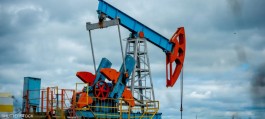
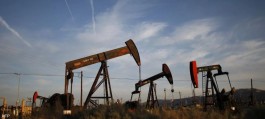
Crude oil jumps to its highest level in weeks, above $91.
The escalation has sparked a new surge in energy markets, further complicating the macroeconomic landscape for European companies already struggling with high input costs.
Brent crude oil futures rose 0.8% to trade at $91.49 a barrel, their highest level since July 30.
The renewed surge in record oil prices threatens to reignite cost-driven inflation across European supply chains. Traders in fixed income and equity markets fear that a prolonged energy shock will constrain central banks' ability to ease monetary policy later this fall, given the fragility of regional economic growth.
The corporate results catalyst is fading
Throughout June and July, a strong European reporting season provided the foundation for the STOXX 600 to reach record highs. Soaring bank profits, resilient luxury goods margins, and robust energy results gave equity desks a steady stream of partial buy-on-dips catalysts, overcoming growth concerns.
Now, with the second-quarter reporting cycle drawing to a close, this earnings-driven support has effectively dissipated. And without fresh positive direction from companies to anchor valuations—with equity risk premiums remaining near 25-year lows—the market is exposed and unhealed to macroeconomic shocks.