













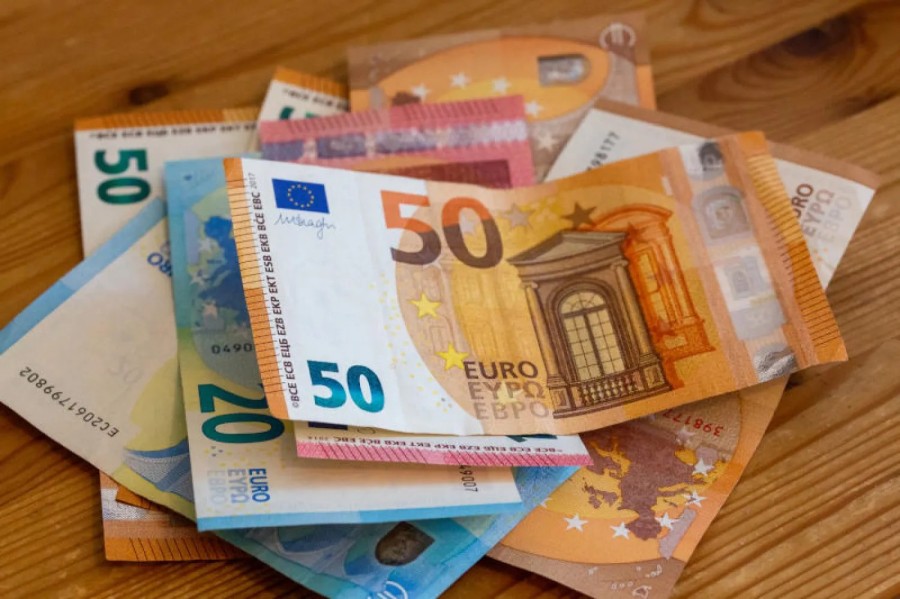


The euro fell as the European market opened on Tuesday against a basket of global currencies, continuing to move in negative territory for the second day in a row against the US dollar, as the focus remained on buying the US currency as the best alternative investment, due to fading hopes of reaching an agreement between the United States and Iran to end military tensions in the Middle East region.
As global oil prices continue to rise, the pricing of the likelihood of a European interest rate hike in June is increasing, and in order to reprice those likelihoods, traders are waiting for the release of more economic data in the Eurozone.
Price overview
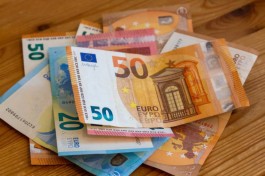
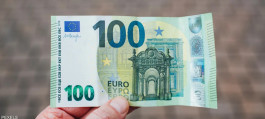
Euro exchange rate today: The euro fell against the dollar by more than 0.2% to ($1.1757), from today’s opening price of ($1.1783), and recorded a high of ($1.1788).
The euro ended Monday's trading down less than 0.1% against the dollar, due to renewed profit-taking and corrective moves from a three-week high of $1.1797.
Apart from profit-taking, the euro's levels declined due to concerns about the possibility of renewed war between the United States and Iran.
US dollar
The dollar index rose 0.25% on Tuesday, extending its gains for the second consecutive session, reflecting the continued rise in the US currency against a basket of global currencies.
This rise is due to purchases of the US dollar as a safe haven, because of fears of renewed military confrontations between the United States and Iran, especially after Tehran rejected the American peace proposal.
US-Iranian negotiations
US President Donald Trump said on Monday that the ceasefire with Iran was on the verge of collapse after Tehran's response to a US proposal to end the war made it clear that the two sides were still far from reaching an agreement on a number of key issues.
Trump confirmed that he is seriously considering renewing the Freedom Project, while simultaneously announcing an upcoming meeting with a large group of generals and military leaders to discuss the available options and plans for dealing with the Iranian issue.
For his part, Iranian Parliament Speaker Mohammad Baqer Qalibaf said that there is no alternative to accepting Iran's proposal, and stressed that his country is ready to respond immediately to any military operations.
global oil prices
Oil prices rose nearly 1% on Tuesday, maintaining their upward trend for the second consecutive day, due to concerns about the continued closure of the Strait of Hormuz and disruption to oil supplies.
Undoubtedly, rising global oil prices are renewing fears of accelerating inflation, which could prompt global central banks to raise interest rates in the near term, in a sharp departure from pre-war expectations of lowering or holding interest rates steady for a long period.
European interest rate
With rising global oil prices, the money market's pricing of the likelihood of the European Central Bank raising European interest rates by about 25 basis points next June has increased from 45% to 50%.
In order to reprice the above probabilities, investors are awaiting further economic data from the Eurozone on inflation, unemployment and wage levels.