










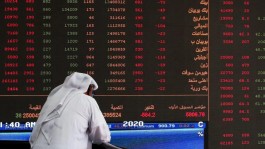







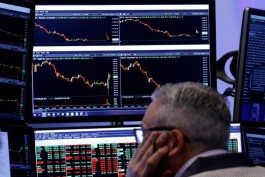
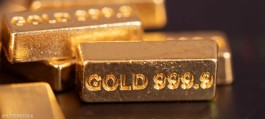








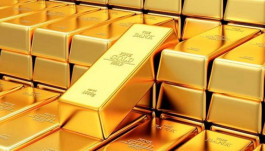



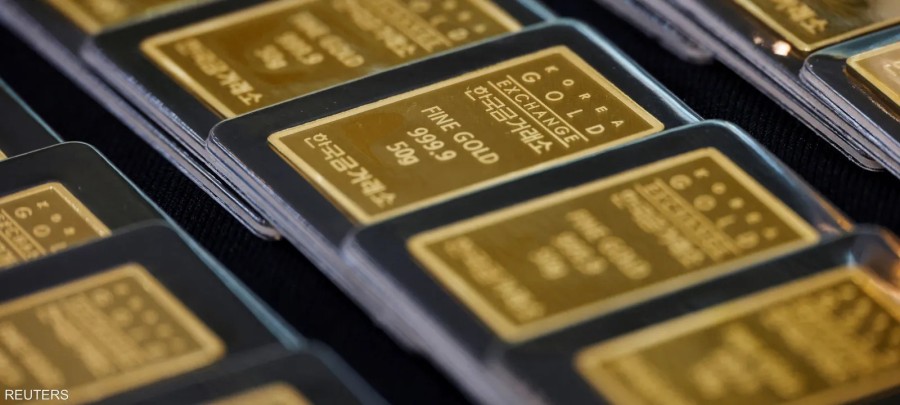


Gold prices have come under pressure despite escalating geopolitical tensions, with the metal down about 13% since the start of the conflict, according to a strategist's note, defying expectations that the war would lead to a sustained rise.
3 factors behind the drop in gold
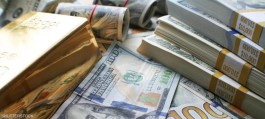
First, a stronger US dollar and rising interest rate expectations weighed on gold. A stronger dollar makes gold more expensive for holders of other currencies, while higher yields increase the opportunity cost of holding non-yielding assets like bullion. This macroeconomic landscape has historically been a drag on precious metals and remains a dominant driver of recent price movements.
Secondly , positioning and technical factors also played a role. Gold, and to a greater extent silver, had recently entered overbought territory, making prices vulnerable to pullbacks. During periods of risk aversion, crowded positions can unravel sharply as investors rush to raise cash. The strategist pointed to past instances, including during the 2008 financial crisis, when gold experienced sharp short-term declines despite broader market pressures.
Third, central bank demand appears to be waning. Some governments are reportedly reducing their gold purchases to prioritize other spending needs. Poland’s central bank is said to be considering selling gold to finance defense expenditures, while Turkey has already sold reserves in recent weeks to support its currency. There are also indications that some Gulf states may slow their purchases amid weak export revenues.
Despite these pressures, the strategist expects these headwinds to ease over time. With the dollar's strength moderating, interest rate expectations stabilizing, and official sector demand returning to normal, gold could regain its footing.
The note maintains a constructive long-term view of the metal, arguing that the current weakness reflects cyclical pressures rather than a shift in the broader bullish situation.