








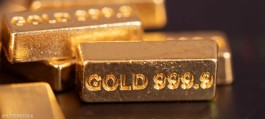








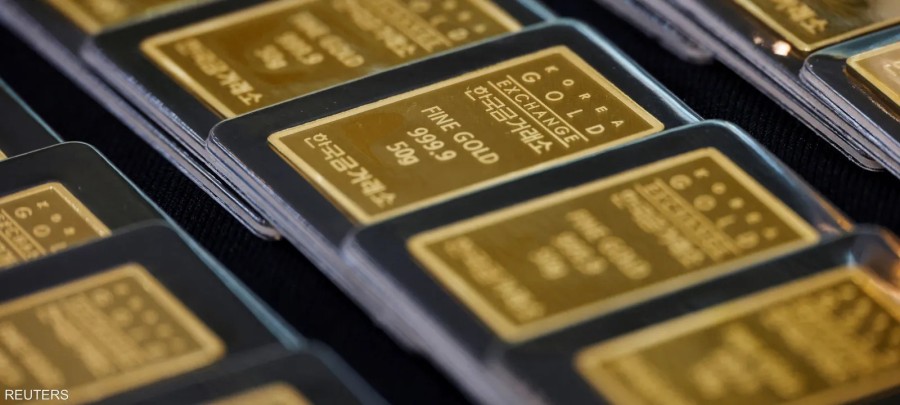


Gold prices fluctuated after efforts to resume peace talks between the United States and Iran faltered, and energy flows through the Strait of Hormuz remained disrupted, two months after a war that upended global markets and raised inflation risks.
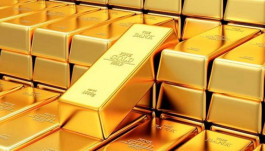
The price of the precious metal rose by as much as 0.4% to $4,730 an ounce, recovering from its earlier decline, after Axios reported that Iran had presented Washington with a new proposal to reopen the Strait of Hormuz, while postponing negotiations over its nuclear program.
US President Donald Trump cancelled a planned trip by his top envoys to resume peace talks with Iran in Islamabad, while Tehran said it would not negotiate as long as it was under threat.
Oil prices also rose on Monday, as the Strait of Hormuz remained virtually impassable due to the blockade imposed by the two countries, but later gave up some of those gains following the Axios report.
The energy supply shock caused by the war has increased the risk of inflation, raising the likelihood that central banks will keep interest rates unchanged for longer or even raise them, which puts pressure on gold, a non-yielding asset. Gold has lost about 11% since the conflict began at the end of February.
Market assessments and the trajectory of gold
Nicky Shiles, head of research and metals strategy at MKS PAMP SA, wrote in a note that gold is in technically foggy territory.
She added that confidence is weak, large investments are still on the sidelines, actual demand is mixed, and perhaps the word 'lost' is the most appropriate word to describe the current market situation.
Traders are assessing the Federal Reserve's path on borrowing costs after U.S. Attorney General Jeanine Pirro said on Friday that she would drop an investigation into excesses in the U.S. central bank's costs, clearing the way for Trump's pick of Kevin Warsh to become the next Fed chairman.
Investors do not expect Warsh to deliver the sharp interest rate cuts the president has called for, but rather to take a measured approach with gradual steps to reduce them.
The impact of the Hormuz closure on energy markets
In the Middle East, the de facto closure of the Strait of Hormuz has disrupted about one-fifth of global oil flows.
The fragile ceasefire largely held over the weekend, but Trump asked his envoys, Jared Kushner and Steve Witkopf, to cancel their trip to Pakistan, which is mediating the talks. Iranian President Masoud Pezeshkian said his country would not enter negotiations imposed under threat or siege.
Shils said that markets have adapted to news that sometimes indicates the failure of the ceasefire and at other times its success, adding: With gold now becoming a high-risk asset, negatively correlated with oil and weakly positively with stocks but not an accurate indicator of both, demand for it below the $5,000 level is very weak.
Meanwhile, Azerbaijan’s state oil fund sold about 22 tons of gold in the first quarter of the year, after a record high that peaked in late January, pushing the sovereign wealth fund’s gold allocation to the maximum allowed.
These sales, valued at more than $3 billion at current prices, represent the first time the fund has reduced its reserves since it began buying gold in 2012.
Gold rose 0.3% to $4,721.33 an ounce in spot trading at 1:07 p.m. Singapore time. Silver climbed 0.7% to $76.28 an ounce.
Platinum and palladium also rose, while the Bloomberg Dollar Spot Index, which measures the performance of the US currency, fell 0.1%, after rising 0.3% last week.